
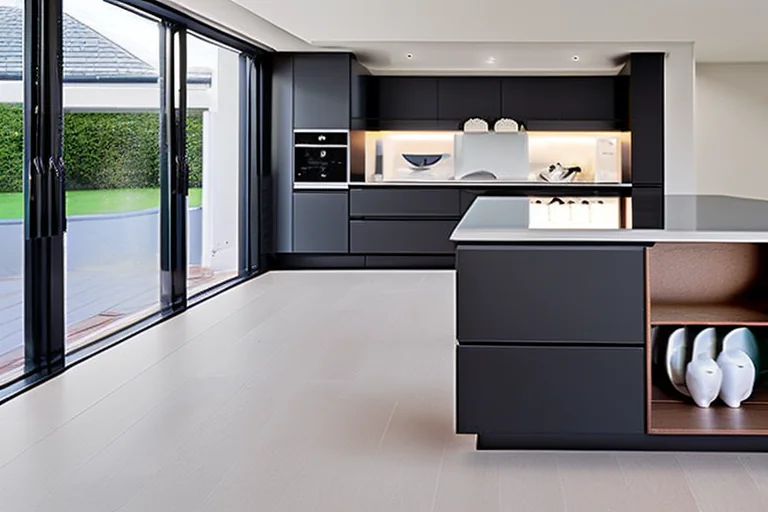
When planning a kitchen renovation, the choice of worktop material is one of the most significant decisions you’ll make. It sets the tone for the entire space, endures daily wear and tear, and represents a considerable investment. For years, natural stone like granite and marble reigned supreme, prized for their unique beauty. However, the rise of engineered quartz has fundamentally changed the landscape, offering a compelling blend of aesthetics and unparalleled performance. As a kitchen design expert, I’m often asked to weigh in on this debate. The truth is, while natural stone has its charm, quartz worktops consistently prove to be the superior choice for modern, busy households. Their engineered nature isn’t a compromise; it’s an evolution, solving the inherent flaws of natural materials to deliver a surface that is as beautiful as it is brilliantly practical.
The Fundamental Difference: Engineered Perfection vs. Natural Variation
To understand why quartz holds the advantage, we must first look at what it is. Natural stone countertops are quarried in large slabs, cut, and polished. Each piece is a one-of-a-kind product of geology, with unique veining, colour variations, and natural imperfections. Quartz worktops, on the other hand, are an engineered composite. They are typically made from around 90-95% crushed natural quartz crystals—one of the hardest minerals on earth—bound together with 5-10% polymer resins and pigments. This manufacturing process is the key to its superiority. It allows for control over the final product’s properties, creating a material that is uniform, predictable, and enhanced in ways nature cannot achieve. While a marble slab’s beauty is random, a quartz slab’s beauty is consistent and repeatable, which is a major benefit for large projects or matching future additions.
Unbeatable Durability and Stain Resistance
This is where quartz truly shines. The non-porous surface created by the resin binder is quartz’s crowning achievement. Natural stone, even when sealed, is micro-porous. Granite can absorb oils, while marble is notoriously susceptible to etching from acids like lemon juice or vinegar. A quartz worktop has virtually zero porosity. Spills of red wine, coffee, cooking oils, and beetroot juice will sit on the surface and can be wiped away without leaving a permanent stain. This makes it exceptionally hygienic, as bacteria and mould have nowhere to harbour. In terms of physical durability, the high quartz content provides excellent resistance to scratches and chips compared to softer stones like marble. While no surface is indestructible—and you should always use a chopping board—quartz offers remarkable peace of mind for a busy kitchen.
Minimal Maintenance: The Practical Choice for Real Life
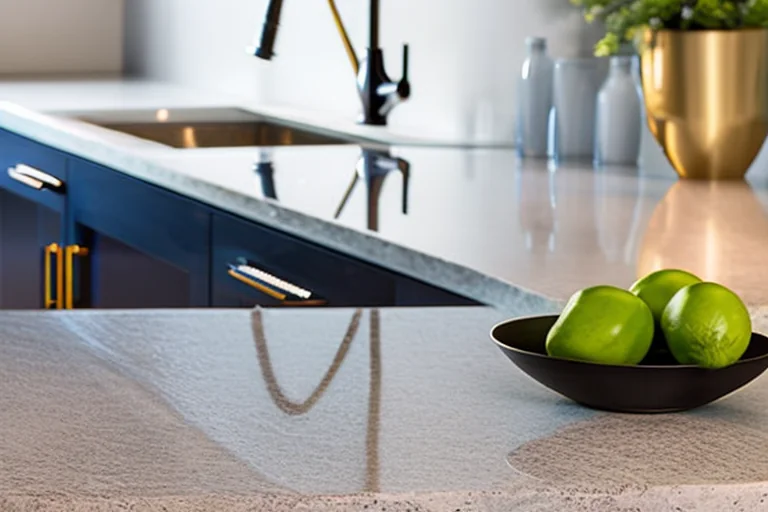
The low-maintenance nature of quartz is a game-changer for homeowners. Natural stone requires periodic sealing—typically once a year for granite and more frequently for marble—to maintain its stain resistance. Forget this task, and you risk permanent damage. Quartz worktops require no such ongoing upkeep. There is no sealing needed, ever. Daily cleaning is a simple affair: just warm, soapy water and a soft cloth. Harsh chemicals or abrasive cleaners are unnecessary and should be avoided, as they can dull the resin surface over time. This ease of care translates directly into long-term savings, both in time and the cost of sealing products, making quartz a brilliantly practical choice for families, avid cooks, and anyone who values a beautiful kitchen that doesn’t demand constant attention.
Design Versatility: From Classic to Contemporary
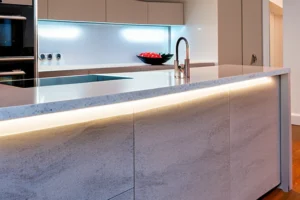
While early quartz designs were often simple and speckled, modern manufacturing has unlocked incredible aesthetic potential. Today’s quartz ranges offer astonishingly realistic reproductions of Carrara marble with delicate grey veining, the dramatic depth of black granite, the soft texture of concrete, and even bold, solid colours that are impossible to find in nature. This versatility is a huge advantage for designers. You are not limited to what the quarry provides; you can select the perfect shade and pattern to complement your cabinetry, flooring, and overall vision. For a sleek, minimalist kitchen, a uniform concrete-look quartz like Warner Ice Maple creates a seamless, contemporary flow. For a more traditional or luxurious feel, marble-effect quartz delivers the classic look without the associated fragility.
Consistency and Supply: A Designer’s Dream
Another practical benefit of quartz’s engineered nature is slab consistency. When you select a particular quartz colour, you know exactly what you are getting. The sample chip or display slab will be a faithful representation of the full-sized slab delivered to your home. With natural stone, the slab you choose at the yard may differ slightly from the one that gets installed due to natural variation. Furthermore, if you need an additional piece for a kitchen island extension or a bathroom project years later, matching your existing quartz worktop is straightforward. Trying to find a matching granite or marble vein years after the original quarry block is finished can be nearly impossible.
Installation and Long-Term Value
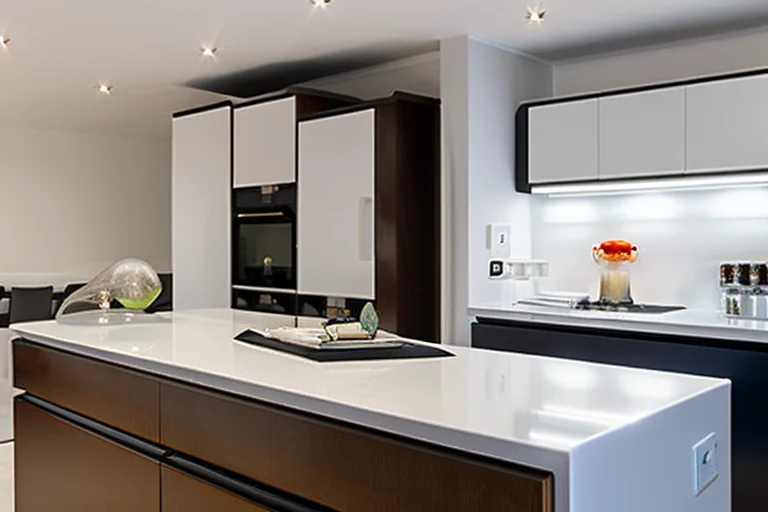
While both quartz and natural stone require professional fabrication and installation due to their weight and the need for precise templating, quartz can sometimes offer more flexibility. Its consistency makes it slightly more predictable to work with for experienced fabricators. In terms of investment, both materials add significant value to a home. However, quartz often presents a better long-term value proposition. The combination of its upfront durability, lack of maintenance costs, and stain-resistant warranty (often 10-15 years from reputable manufacturers) means you are less likely to face costly repairs or premature replacement. A quartz worktop installed today will look virtually identical in a decade with basic care, whereas a natural stone surface may show more signs of life’s inevitable accidents.
Understanding the Limitations: A Balanced View
For complete transparency, it’s important to note where natural stone may still have an edge. Quartz is highly heat resistant, but it is not completely heatproof. The resin binder can be damaged by extreme, direct heat, so using trivets or stands for hot pans is always recommended. Natural granite, in contrast, can typically withstand higher direct heat. Additionally, while quartz is ideal for indoor use, it is not generally recommended for outdoor kitchens or in direct, prolonged sunlight, as UV exposure can potentially cause fading over time. For most interior kitchen and bathroom applications, these are minor considerations that are easily managed, but they are worth discussing with your supplier.
Making the Right Choice for Your Home
Choosing between quartz and natural stone ultimately comes down to your lifestyle, design goals, and priorities. If you cherish the idea of a completely unique, geological artwork and are committed to its meticulous upkeep, natural stone has undeniable appeal. However, for the vast majority of homeowners seeking a beautiful, hygienic, and incredibly resilient surface that supports a busy family life without the fuss, quartz worktops are the unequivocally superior choice. They represent the perfect marriage of nature’s strength and human ingenuity, delivering a worktop that is as practical as it is stunning.
Ready to explore the perfect quartz worktop for your dream kitchen? Our team is here to guide you through our extensive collection and professional Fabrication Services, ensuring a flawless finish from selection to installation.
 English (UK)
  العربية
  Español de México
  Português
  한국어
한국어  Français
  日本語
日本語  Bahasa Indonesia
  Italiano
  Türkçe
  Deutsch
  Русский
  简体中文
简体中文