
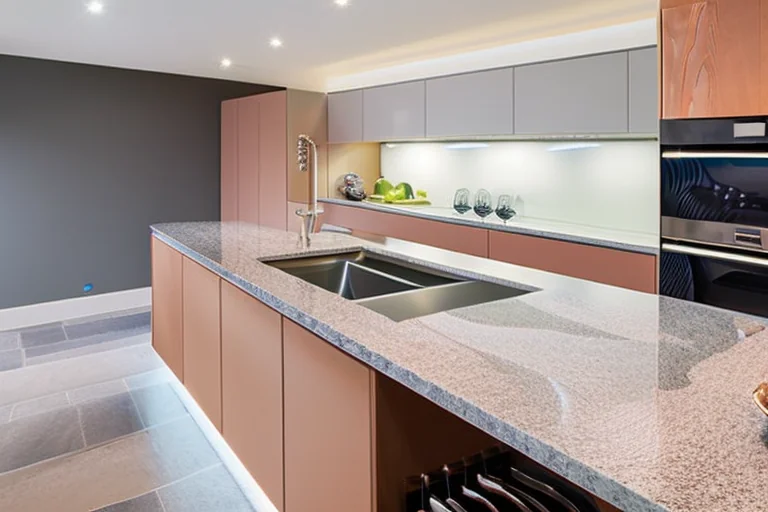
Investing in a quartz worktop is one of the smartest decisions you can make for your kitchen, offering unparalleled durability, hygiene, and aesthetic appeal. However, when you first start looking at quotes, the figures can seem confusingly varied. One supplier might quote a seemingly low price per square metre, while another presents a comprehensive package that appears much higher. The truth is, the final cost of your quartz worktop is a sum of many parts, and understanding this breakdown is crucial for effective budget planning and ensuring you get the beautiful, functional surface you envision without any unwelcome financial shocks. Let’s demystify the pricing structure together, so you can approach your project with confidence.
The Core Components of Your Quartz Worktop Quote
When you receive a quotation for a quartz worktop, it should be a transparent document that itemises the key cost drivers. A reputable supplier will provide clarity, not just a bottom-line figure. Fundamentally, your quote is built upon three primary pillars: the cost of the raw material (the slab itself), the fabrication work required to turn that slab into your worktop, and the professional installation. Each of these pillars contains variables that will directly impact your final investment. Thinking of it as a tailored suit rather than an off-the-rack item is a helpful analogy; the fabric quality, the complexity of the cut, and the skill of the tailor all contribute to the final price.
1. Material Costs: The Price of the Slab
This is often the most visible cost and the starting point for any estimate. The price per square metre of the quartz slab itself varies significantly based on several factors. Firstly, the brand and quality tier play a major role. Premium brands, often with more sophisticated manufacturing processes and exclusive designs, command a higher price. The visual complexity of the slab is another key determinant. A simple, consistent colour like a bright white or solid grey will generally be more affordable than a slab with intricate veining, large crystal aggregates, or a striking, marble-like pattern. The origin and composition of the quartz also matter; some high-end composites use a greater percentage of pure quartz and specialised resins for enhanced performance and clarity. For example, a stunning design like Warner Ice Maple offers a unique, natural aesthetic that falls into a different category than a plain solid colour.
Thickness is a crucial and sometimes overlooked factor. The standard thickness in the UK is 20mm, which is suitable for most applications. However, 30mm slabs are increasingly popular for a more substantial, luxurious feel, particularly on kitchen islands. This upgrade adds considerably to the material cost, as it uses 50% more raw material. Always confirm which thickness is quoted to ensure you are comparing like for like.
2. Fabrication Costs: The Art of Transformation
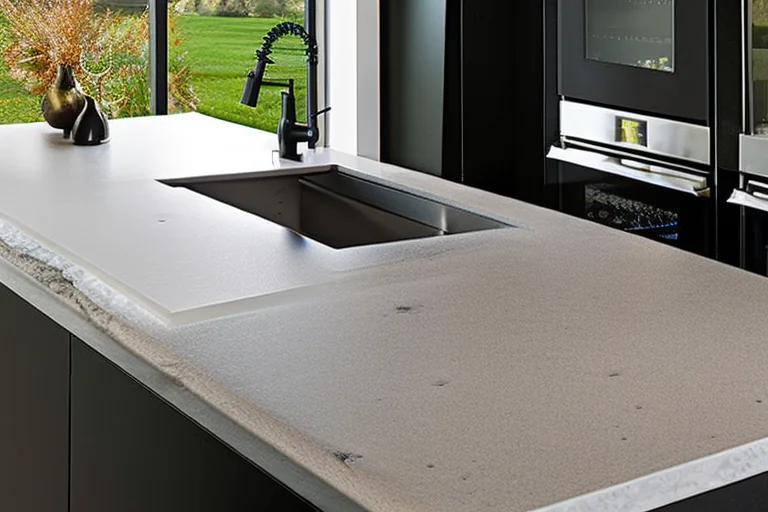
Fabrication is where your chosen slab becomes your unique worktop. This skilled process involves precise cutting, shaping, and finishing, and its cost is influenced by the complexity of your kitchen design. A simple, straight run of worktop with a standard square edge profile is the most economical to fabricate. Costs begin to rise with every additional detail. Creating cut-outs for sinks and hobs requires precision machining. If you opt for an undermount sink, the edge of the cut-out must be polished to a perfect finish, adding to the labour. Similarly, tap holes and other accessory cut-outs incur additional charges.
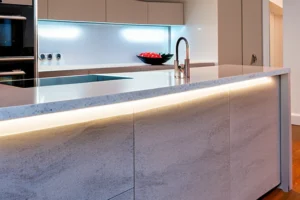
The edge profile you select is a major style statement and a cost factor. A straight, eased edge is standard. Choosing a more elaborate profile like a full bullnose, ogee, or mitred waterfall edge involves significantly more time on the CNC machinery and skilled hand-polishing, increasing the fabrication cost. The number of joins needed also affects the price; a large kitchen island made from a single slab is ideal but may not be possible, requiring seamless joins that demand expert skill. For a deeper dive into what your installation quote should cover, our article on Hidden Costs in Quartz Worktop Installation is an essential read.
3. Installation and Associated Services
Professional installation is non-negotiable for a perfect, long-lasting fit. This cost covers the team’s time, expertise, and insurance. It typically includes the removal and disposal of your old worktops, careful transportation and manoeuvring of the heavy quartz pieces, precise fitting, sealing of joins, and final securing. Some quotes may be “supply only,” which is cheaper upfront but leaves you to find and manage a separate fitter—a risky strategy given the value of the material. Additional site preparation, such as extra plumbing or electrical work to accommodate the new worktop, is usually not included and must be budgeted for separately. The complexity of the install, like working in a high-rise flat with limited access or fitting around unusually shaped walls, can also add to the labour time and cost.
Additional Factors That Influence Your Final Bill
Beyond the core trio, several other elements can adjust your budget. The size and layout of your kitchen are fundamental. Obviously, a larger kitchen requires more material. However, layout efficiency is key. A galley kitchen with long, straight runs uses slab material efficiently. A complex L-shaped or U-shaped kitchen with corners, peninsulas, and an island will result in more cuts, potentially more waste, and more fabrication time. The choice of upstands (the vertical panels at the back of the worktop) and window sills from the same quartz adds to both material and fabrication costs but creates a beautifully cohesive look. Finally, your location in the UK can affect delivery charges for both the slabs and the installation team, especially if you are far from the fabricator’s workshop.
Practical Budget Planning: From Dream to Reality
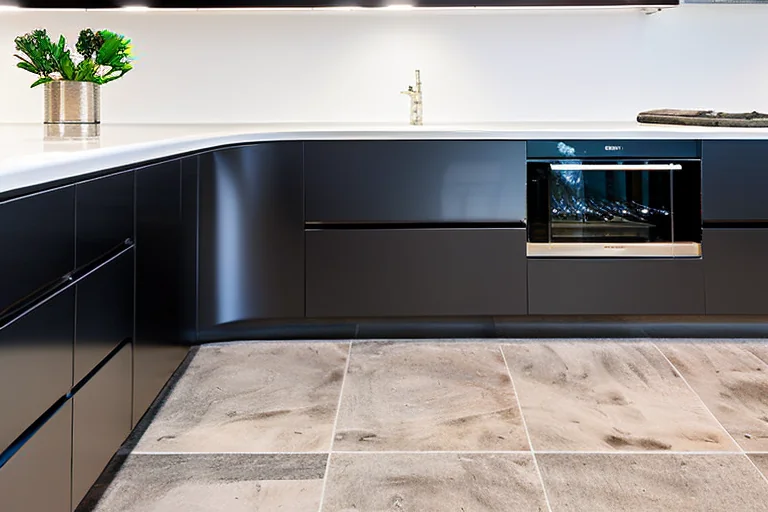
So, how do you translate this knowledge into a workable budget? Start by getting accurate measurements of your existing kitchen or finalised new kitchen plans. This allows for meaningful initial quotes. When seeking quotations, insist on detailed, itemised breakdowns so you can see exactly what you are paying for in terms of material, fabrication (edge profiles, cut-outs, etc.), and installation. This makes comparing different suppliers much clearer. It’s wise to set aside a contingency fund of 10-15% of your total worktop budget for unforeseen adjustments or last-minute design enhancements once you see the stone in your space.
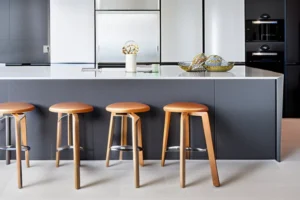
To maximise value, consider where to splurge and where to save. You might invest in a stunning, statement slab for a prominent kitchen island that becomes the focal point, and choose a simpler, complementary colour for the peripheral worktops. Discuss material efficiency with your fabricator; sometimes a slight adjustment to a cut-out position can allow for a more economical use of the slab, reducing waste. Remember, the cheapest quote is rarely the best value. Quality fabrication and installation are critical to protecting your investment and ensuring your worktop looks flawless and performs perfectly for decades.
Understanding the Value Behind the Investment
While the upfront cost of quartz is a consideration, its long-term value is exceptional. Quartz is non-porous, so it never needs sealing, resists staining from coffee, wine, and oils, and is highly resistant to scratches and heat (within reasonable limits). This translates to minimal maintenance and enduring beauty, saving you time and money on care products and potential repairs down the line. It also adds tangible value to your home, being a highly desirable feature for future buyers. A well-chosen and expertly installed quartz worktop is not just a purchase; it’s an investment in the heart of your home that pays dividends in daily enjoyment and long-term property appeal.
Ready to explore the perfect quartz for your budget and style? We invite you to Browse our complete quartz collection to see the full spectrum of colours, patterns, and finishes available, from timeless classics to bold, contemporary statements. Our team is here to help you navigate the choices and create a detailed, transparent quote for your dream kitchen.
 English (UK)
  العربية
  Español de México
  Português
  한국어
한국어  Français
  日本語
日本語  Bahasa Indonesia
  Italiano
  Türkçe
  Deutsch
  Русский
  简体中文
简体中文