
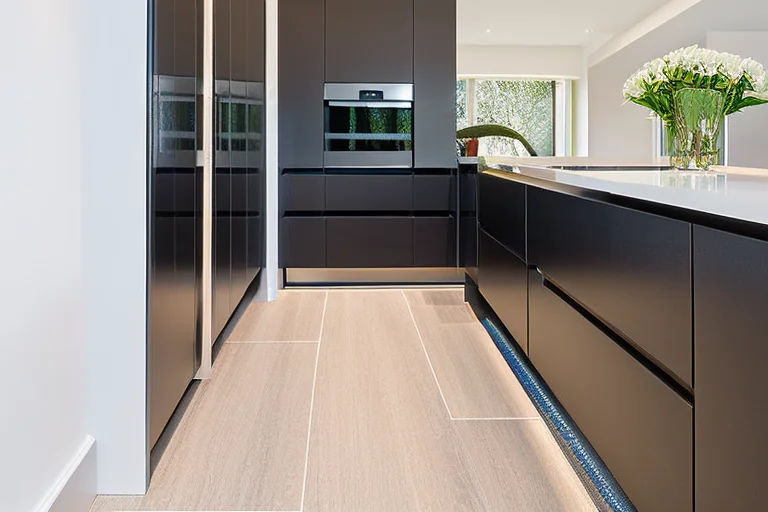
Choosing quartz for your kitchen worktops is an excellent decision, promising durability, beauty, and a touch of modern luxury. However, the journey from selecting the perfect slab to enjoying your finished kitchen hinges on one critical phase: installation. Even the highest quality quartz, like our stunning Morning Glow Quartz Stone, can be compromised by fitting errors that lead to cracks, uneven surfaces, or water damage. This guide will walk you through the most common quartz worktop installation mistakes and, more importantly, how you can avoid them to ensure a flawless and long-lasting result.
Pre-Installation Pitfalls: Getting the Foundations Wrong
The success of your quartz installation is determined long before the slab arrives at your door. Rushing or cutting corners during the planning and preparation stages is the first major category of mistakes. Quartz is a heavy, rigid material, and it demands precision from the very beginning. The most frequent error here is inadequate or inaccurate templating. Relying on old floor plans or taking rough measurements yourself is a recipe for disaster. Professional installers use specialised laser templating equipment to create a digital, millimetre-perfect map of your kitchen cabinets. This template accounts for every wall imperfection, appliance protrusion, and pipe location. Skipping this step can result in worktops that don’t fit, requiring costly re-fabrication or unsightly filler gaps.
Equally critical is overlooking the condition and strength of your base cabinets. Quartz is substantially heavier than laminate or wood. If your existing cabinets are not perfectly level, securely fixed to the wall and each other, or made from robust materials, they will sag under the weight over time. This stress is a primary cause of cracks, especially around sink cutouts or hobs. Always ensure cabinets are reinforced and shimmed to be perfectly level and plumb before the worktops are even templated. Another pre-installation misstep is failing to consider the full workflow. Not confirming the delivery route, checking doorway clearances, or ensuring safe access for the large, fragile slabs can lead to damage on arrival, turning your dream installation into a logistical nightmare before it even begins.
Handling and Fabrication Errors
Once the template is approved, the quartz slab moves to the fabrication stage. Mistakes here are often irreversible and expensive. A common error is improper cutting or edging. While quartz is incredibly hard, it is also brittle. Using the wrong saw blades or cutting techniques can cause chipping, micro-fractures, or even snap the slab. Professional fabricators use water-cooled diamond-tipped blades and computer-controlled machinery for clean, precise cuts. Attempting to modify a pre-cut worktop on-site with standard tools is almost guaranteed to damage it.
Seam placement is another art form that is frequently bungled. In larger kitchens, seams are necessary where two slabs join. The mistake is placing these seams in high-visibility areas or, worse, in functionally problematic spots. A seam should never be placed directly over a dishwasher or in a corner where it will constantly collect water and debris. A skilled fabricator will plan seams to be as inconspicuous as possible, often aligning them with the natural flow of the stone’s pattern. For instance, a busier pattern like our Pine Tree Pattern can help disguise a seam more effectively than a solid, uniform colour. The joining process itself is also critical; using inferior adhesives or failing to clamp the seam properly will result in a visible, uneven line that traps dirt.
Ignoring Expansion Gaps and Support Structures
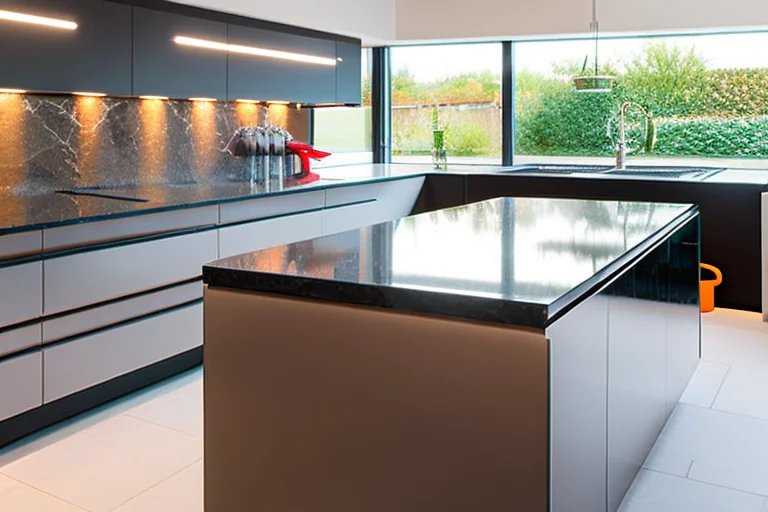
Quartz is often marketed as non-porous and stable, which leads to the dangerous assumption that it doesn’t need expansion gaps. This is a misconception. While quartz has minimal thermal expansion compared to natural stone, the surrounding structure—your house—does move and settle. Fitting a quartz worktop too tightly against walls or adjacent units without a small expansion gap (typically 3-5mm) can create pressure points. When the building shifts seasonally, this pressure has nowhere to go, and the quartz, being rigid, may crack. The gap is later neatly concealed with a flexible silicone sealant.
Similarly, underestimating the need for additional support for overhangs is a structural error. A quartz breakfast bar or island overhang is a desirable feature, but it requires proper reinforcement. The rule of thumb is that an unsupported overhang greater than 300mm needs corbels, steel brackets, or a supportive leg system installed beneath. Without this, the overhang acts as a lever, placing immense stress on the secured part of the worktop and the cabinets, eventually leading to failure. This support must be factored in during the cabinet design and templating stage, not added as an afterthought.
The Critical Importance of Sealing and Finishing
Here lies one of the most pervasive myths about quartz: that it never needs sealing. While the resin-bound surface of quartz is non-porous and stain-resistant, the perimeter where the surface meets the edge profile is not. The most significant mistake in this phase is the improper—or complete lack of—sealing of the cut edges and seams. When a slab is cut, the manufactured, non-porous surface is breached, exposing the interior composite material. If this edge is not properly sealed, especially around sinks and hobs, moisture can wick into the core, causing discolouration, swelling, or delamination over years.
The correct process involves applying a high-quality, non-yellowing impregnating sealer to all cut edges and the underside of the worktop before installation. Furthermore, the final bead of silicone between the worktop and the wall or splashback is not just for aesthetics; it’s a crucial waterproof barrier. Applying it poorly—too thin, too thick, or with gaps—invites water behind the worktop, damaging cabinets and walls. For a deeper dive into getting these final steps right, our Quartz Worktop Installation Guide: Step-by-Step Process offers detailed guidance. Finally, using the worktop surface as a cutting board or placing scorching hot pans directly on it are post-installation abuses. While quartz is heat and scratch-resistant, it is not indestructible; such treatment can damage the resin surface, leaving permanent marks that could have been easily avoided with simple care.
Choosing the Wrong Installer
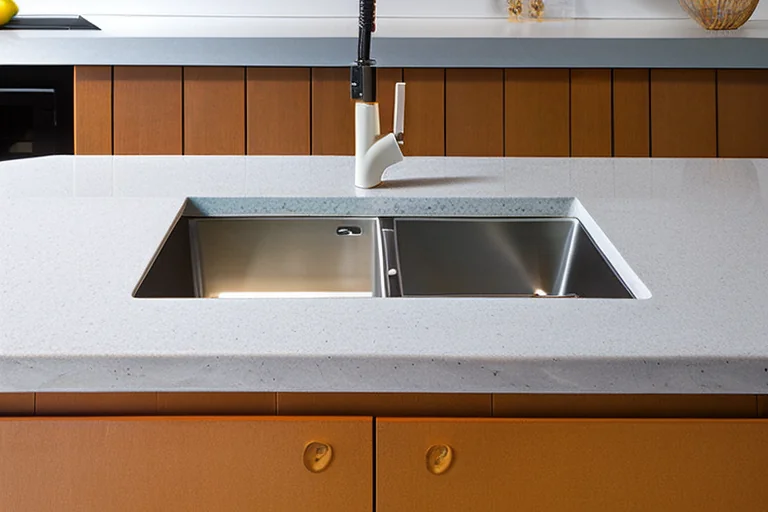
Ultimately, many of these mistakes stem from a single source: hiring the wrong person for the job. Opting for the cheapest quote often means engaging a fitter without specific quartz experience. They might treat it like granite or laminate, using incorrect tools and techniques. A reputable, specialist installer will have a proven process, from templating to finishing, and will guarantee their work. They understand the material’s unique properties and will take the time to prepare the site, handle the slabs with care, and execute a precise, clean installation. This expertise is an investment that protects your larger investment in the quartz itself.
Avoiding these common installation mistakes comes down to knowledge, preparation, and professional partnership. By understanding the requirements for proper support, precise fabrication, and meticulous sealing, you can confidently manage your project and ensure your beautiful quartz worktops provide a lifetime of service and style. Remember, the most stunning kitchen is one that is not only beautiful on day one but remains flawless for years to come.
Ready to plan your perfect kitchen with confidence? Explore our comprehensive Fabrication Services and learn how our expert team manages the entire process, from precise templating to professional installation, ensuring your quartz worktops are fitted flawlessly.


 English (UK)
  العربية
  Español de México
  Português
  한국어
한국어  Français
  日本語
日本語  Bahasa Indonesia
  Italiano
  Türkçe
  Deutsch
  Русский
  简体中文
简体中文