
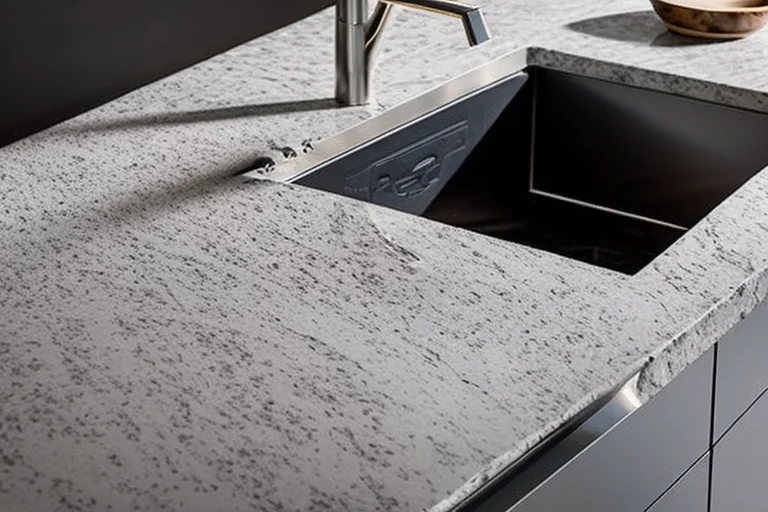
When you’re planning a kitchen renovation, the worktop choice often becomes the centrepiece of your design decisions. But what if you could select a surface that not only looks stunning but also aligns with your environmental values? Sustainable quartz worktops have emerged as a brilliant solution for homeowners who want both aesthetic appeal and eco-conscious credentials. These engineered surfaces combine natural quartz with recycled materials and advanced manufacturing techniques to create worktops that are as kind to the planet as they are beautiful in your kitchen.
What Makes Quartz Worktops Sustainable?
The sustainability of quartz worktops begins with their composition. Unlike natural stone that requires extensive quarrying, engineered quartz typically contains about 90-95% natural quartz crystals combined with polymer resins and pigments. Many leading manufacturers now incorporate significant percentages of recycled materials into their products, including post-industrial quartz waste, recycled glass, and even mirror fragments. This approach dramatically reduces the demand for virgin materials and diverts waste from landfills. The production process itself has become increasingly efficient, with many factories implementing water recycling systems and using renewable energy sources to power their manufacturing facilities.
Durability plays a crucial role in sustainability too. Quartz worktops are incredibly resistant to scratches, stains, and heat damage, meaning they’re less likely to need replacement over time. A well-maintained quartz worktop can easily last 25 years or more, reducing the environmental impact associated with frequent renovations. The non-porous surface also means you’ll use fewer harsh chemicals for cleaning, contributing to better indoor air quality and reducing chemical runoff into water systems.
Key Environmental Certifications to Look For
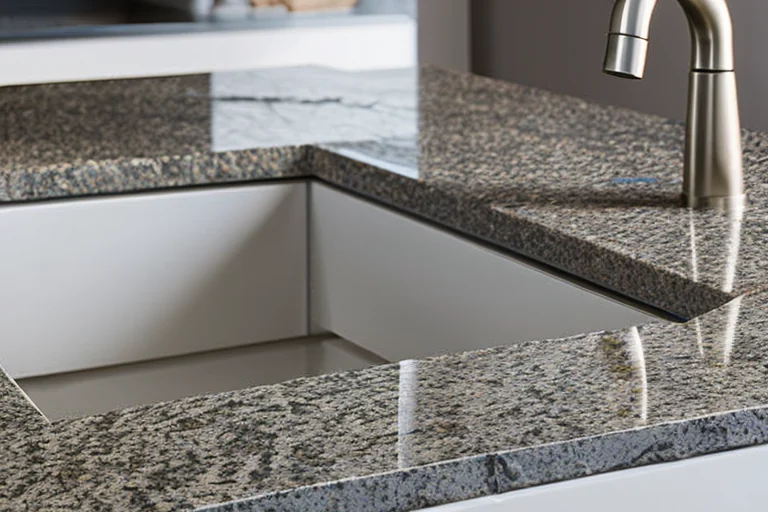
When selecting sustainable quartz worktops, certifications provide valuable assurance of environmental credentials. The NSF/ANSI 51 certification ensures materials are safe for food contact, while Greenguard certification indicates low VOC emissions, important for maintaining healthy indoor air quality. Many manufacturers also pursue ISO 14001 environmental management certification, demonstrating commitment to reducing their environmental impact throughout the production process. Some brands even achieve Cradle to Cradle certification, which assesses products across multiple sustainability categories including material health, recyclability, and renewable energy use.
Understanding Recycled Content Percentages
The percentage of recycled content varies significantly between different quartz brands and product lines. Some manufacturers offer worktops with up to 40% recycled material content, while others focus on specific types of recycling, such as using recycled glass or post-consumer materials. It’s important to ask suppliers for detailed information about what constitutes their recycled content and whether they can provide third-party verification. Remember that higher recycled content doesn’t necessarily mean compromised quality – many premium quartz surfaces maintain their exceptional performance characteristics while incorporating substantial recycled materials.
Design Considerations for Sustainable Kitchens
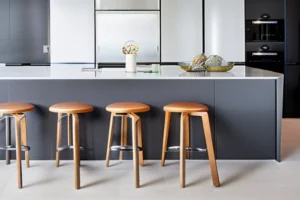
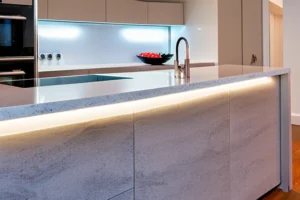
Incorporating sustainable quartz into your kitchen design involves more than just selecting the right material. Consider how the worktop integrates with other eco-friendly elements in your kitchen. Pair your quartz worktop with FSC-certified cabinetry, energy-efficient appliances, and sustainable flooring options to create a truly environmentally conscious space. The colour and pattern of your quartz can also influence the perception of space and light, potentially reducing the need for artificial lighting during daytime hours.
Installation and Long-Term Maintenance
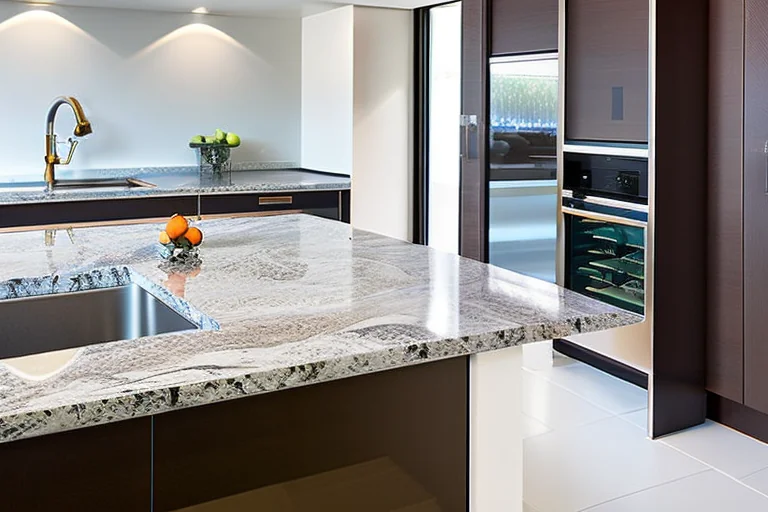
Proper installation is crucial for maximising the lifespan of your sustainable quartz worktop. Choose experienced fitters who understand how to handle these materials efficiently, minimising waste during the cutting and installation process. Many installation teams now use digital templating systems that create precise patterns, reducing material waste significantly. For maintenance, simple cleaning with pH-neutral soap and water is usually sufficient, avoiding the need for harsh chemical cleaners that can harm the environment.
End-of-Life Considerations
While quartz worktops are designed to last decades, it’s worth considering what happens at the end of their life cycle. Some manufacturers have developed take-back programmes where old worktops can be returned for recycling into new products. The density and composition of quartz make it suitable for crushing and repurposing as aggregate in construction materials, creating a circular economy approach to kitchen surfaces.
Making an Informed Choice for Your Home
Selecting sustainable quartz involves balancing environmental considerations with practical needs and aesthetic preferences. Take time to research different manufacturers’ sustainability policies, request samples to assess quality firsthand, and consult with knowledgeable suppliers who can provide transparent information about the environmental credentials of their products. Remember that the most sustainable choice is one that you’ll be happy with for many years, reducing the likelihood of premature replacement.
Ready to transform your kitchen with beautiful, sustainable quartz worktops? Our experts can guide you through the selection process, helping you choose the perfect eco-friendly surface that meets both your design vision and environmental values. Contact Our Kitchen Design Experts today to schedule a consultation and take the first step toward creating your dream sustainable kitchen.
 English (UK)
  العربية
  Español de México
  Português
  한국어
한국어  Français
  日本語
日本語  Bahasa Indonesia
  Italiano
  Türkçe
  Deutsch
  Русский
  简体中文
简体中文