
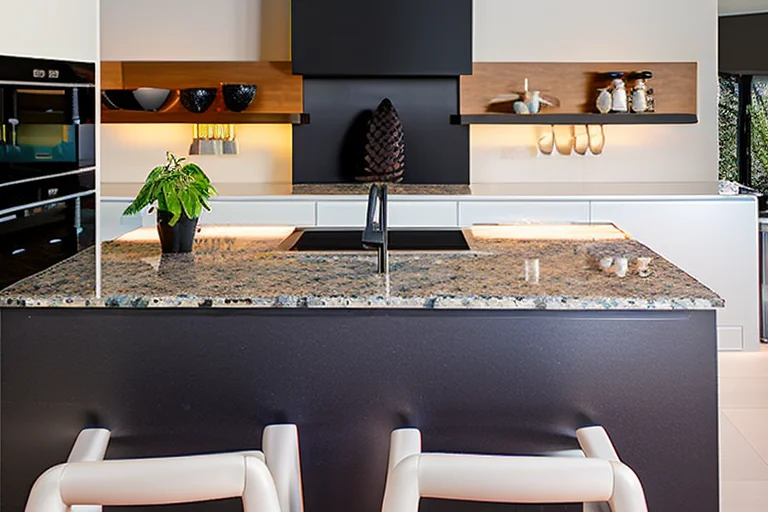
When it comes to selecting the perfect worktop for your kitchen, the quartz versus granite debate remains one of the most common dilemmas homeowners face. Both materials offer exceptional beauty and durability, but they cater to different priorities and lifestyles. As a kitchen design expert with years of experience helping clients transform their spaces, I’ve witnessed how this single decision can dramatically impact both the functionality and aesthetic appeal of your kitchen. Understanding the fundamental differences between these two premium materials is crucial for making an informed choice that you’ll be happy with for years to come.
Understanding the Materials
Before diving into comparisons, it’s essential to understand what each material actually is. Granite is a completely natural stone formed over millions of years beneath the earth’s surface. Each slab is unique, with variations in colour, pattern, and mineral composition that create one-of-a-kind pieces. Quartz worktops, on the other hand, are engineered surfaces typically composed of about 90-95% ground natural quartz crystals mixed with polymer resins and pigments. This manufacturing process allows for greater consistency in appearance while maintaining the durability that makes natural stone so appealing.
The production methods significantly influence the characteristics of each material. Granite requires quarrying, cutting, and polishing natural stone blocks, which explains why no two granite worktops are identical. Quartz manufacturing involves combining crushed quartz with resins under intense pressure and heat, creating a non-porous surface that doesn’t require sealing. This fundamental difference in composition affects everything from maintenance requirements to colour options and overall performance in your kitchen.
Durability and Maintenance Comparison
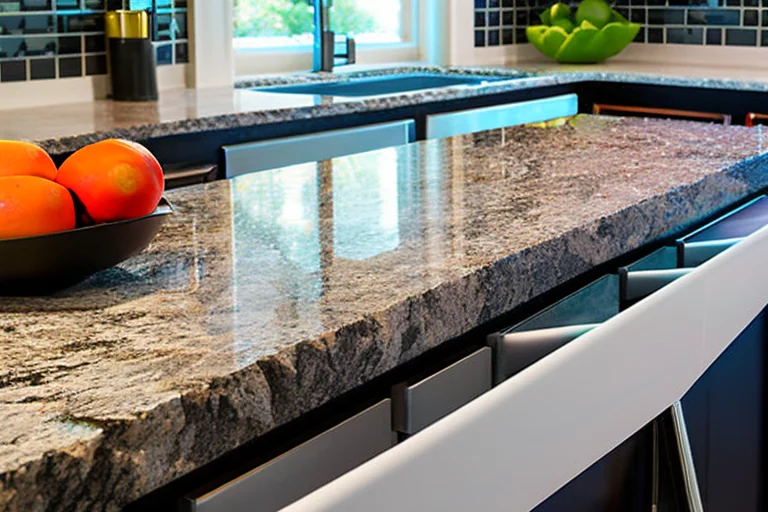
When evaluating durability, both materials perform exceptionally well but in different ways. Granite is highly resistant to heat, making it ideal for kitchens where hot pans might occasionally meet the worktop surface. However, being a natural porous material, granite requires regular sealing to prevent staining from oils, wines, and other common kitchen substances. Most granite worktops need resealing every 1-2 years depending on usage.
Quartz worktops offer superior stain resistance because their non-porous nature means liquids cannot penetrate the surface. This makes quartz particularly appealing for families with young children or those who entertain frequently. While quartz is highly resistant to scratches and stains, it’s generally less heat-resistant than granite, requiring the use of trivets or hot pads for protection. Neither material is indestructible, but both offer excellent longevity when properly maintained.
Everyday Performance Considerations
In daily kitchen use, quartz typically requires less maintenance than granite. Spills wipe away easily without fear of permanent staining, and the non-porous surface inhibits bacterial growth, making quartz an excellent choice for food preparation areas. Granite, while requiring more careful maintenance, develops a beautiful patina over time that many homeowners find appealing. The choice often comes down to whether you prefer the low-maintenance convenience of quartz or don’t mind the periodic sealing that granite demands.
Aesthetic Appeal and Design Options
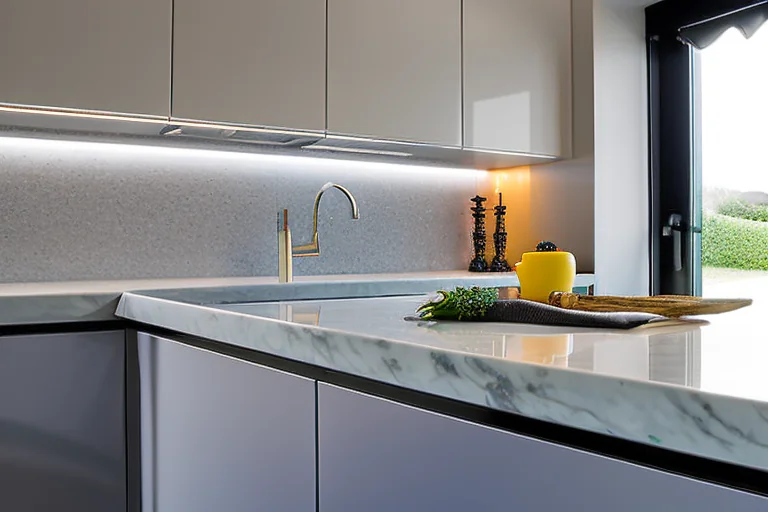
The visual differences between quartz and granite significantly impact your kitchen’s overall aesthetic. Granite offers unique natural patterns, veining, and colour variations that create a sense of organic luxury. Each slab tells a geological story through its mineral composition and formation history. This natural variation means you’ll need to view actual slabs rather than samples when making your selection.
Quartz provides more consistency in pattern and colour, with manufacturers offering a wide range of designs that can mimic natural stone or create entirely new aesthetic possibilities. The engineering process allows for greater control over appearance, including options that replicate marble without the maintenance concerns. For contemporary kitchens seeking a uniform, sleek appearance, quartz often provides the consistency that designers prefer.
Colour and Pattern Availability
Granite naturally occurs in earth tones—typically variations of black, white, grey, brown, and beige—with occasional blue or green hues depending on mineral content. Quartz offers virtually unlimited colour options, including bright whites, deep blacks, and vibrant colours that don’t occur naturally in stone. This flexibility makes quartz particularly appealing for modern kitchen designs where specific colour matching is important.
Cost Considerations and Installation
Both quartz and granite represent premium worktop options, but their pricing structures differ. Granite prices vary significantly based on rarity, colour, and origin, with exotic varieties commanding premium prices. Quartz tends to have more consistent pricing across colours and patterns, though designer options may cost more. Installation costs are generally comparable, though complex layouts with multiple seams might affect pricing differently for each material.
Professional installation is crucial for both materials due to their weight and the precision required for proper fitting. Quartz slabs are typically more consistent in thickness and pattern, which can sometimes make template creation and installation slightly more straightforward. Granite’s natural variations require careful planning to ensure pattern continuity across seams and around features like sinks and hobs.
Environmental Impact Considerations
For environmentally conscious homeowners, both materials have considerations worth noting. Granite is a natural resource that requires quarrying and transportation, often from international locations. However, it’s a durable product that lasts decades and doesn’t require chemical-intensive maintenance. Quartz production involves mining quartz crystals and using resins in manufacturing, but many manufacturers now incorporate recycled materials and employ responsible production practices.
Both materials offer excellent longevity, reducing the need for replacement over time. When considering environmental impact, look for suppliers who practice responsible quarrying (for granite) or utilise recycled content and eco-friendly manufacturing processes (for quartz). Many UK suppliers now provide transparency about their sourcing and production methods to help environmentally conscious consumers make informed decisions.
Making the Right Choice for Your Home
Your lifestyle, design preferences, and maintenance tolerance should guide your decision between quartz and granite. If you prioritise low maintenance, consistent appearance, and stain resistance, quartz likely represents your best option. If you value natural variation, heat resistance, and the unique character of natural stone, granite may better suit your needs. Consider how you use your kitchen, your design aesthetic, and your willingness to perform periodic maintenance when making this important decision.
Remember that both materials will serve you beautifully for decades when properly cared for. Many homeowners find that visiting showrooms to see full-size slabs helps finalise their decision. The visual impact of a large granite slab with dramatic veining or a perfectly uniform quartz surface often makes the choice clearer than comparing small samples alone.
Ready to transform your kitchen with the perfect worktop solution? Our team of kitchen design experts is here to help you navigate these choices and create a space that perfectly balances beauty and functionality. Browse Our Quartz Worktop Solutions to explore our extensive collection, or reach out for personalised advice tailored to your specific needs and preferences. Let’s create the kitchen of your dreams together.
 English (UK)
  العربية
  Español de México
  Português
  한국어
한국어  Français
  日本語
日本語  Bahasa Indonesia
  Italiano
  Türkçe
  Deutsch
  Русский
  简体中文
简体中文