
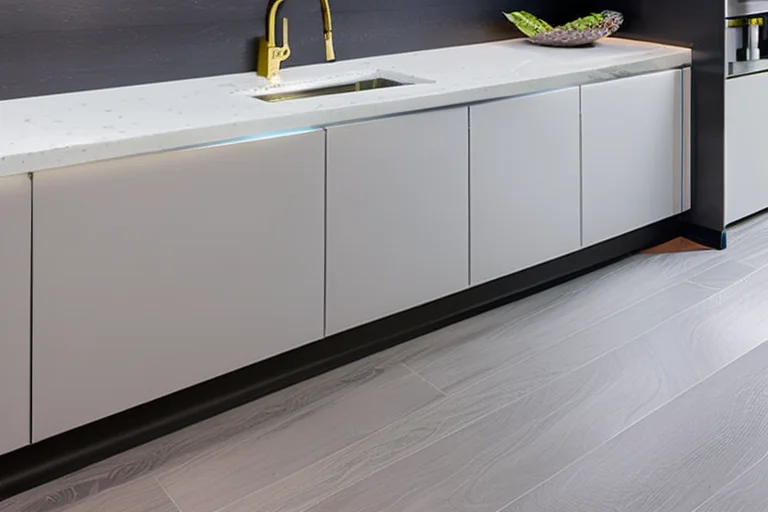
Investing in a quartz worktop is one of the best decisions you can make for your kitchen, offering a perfect blend of breathtaking aesthetics, incredible durability, and surprisingly low maintenance. However, that last point—low maintenance—can sometimes be misinterpreted. While quartz is remarkably resilient, it is not indestructible. The key to preserving its flawless, like-new appearance for decades lies not just in regular cleaning, but crucially, in knowing what *not* to do. Many common household cleaners and habits, seemingly innocent, can permanently mar the surface of your beautiful worktop. This guide will walk you through the absolute no-gos, explaining the science behind the damage and equipping you with the knowledge to protect your investment, ensuring your kitchen centrepiece remains a source of pride.
Understanding Your Quartz Worktop: It’s Not Natural Stone
To understand why certain products are harmful, it’s essential to know what quartz worktops are made of. Unlike natural granite or marble, engineered quartz is a composite material. It typically consists of about 90-95% ground natural quartz crystals, one of the hardest minerals on earth, bound together with 5-10% polymer resins and pigments. This manufacturing process is what gives quartz its non-porous quality, incredible strength, and consistent colouration. However, the resin binder, while tough, has its vulnerabilities. It can be susceptible to certain chemicals and extreme heat. Therefore, caring for quartz is less about sealing (it doesn’t need it!) and more about protecting the resin matrix from agents that can break it down, cause discolouration, or dull its polished finish.
The Forbidden List: Products That Harm Quartz
This is the core of your protective knowledge. Keeping these items far away from your worktop surface is the single most important step in preventative care.
Harsh Acids and Alkalis
Acidic substances are public enemy number one for quartz. The resin binders can be chemically degraded by strong acids, leading to etching—a permanent dull spot where the glossy polish is eaten away. Common acidic culprits include oven cleaners, drain cleaners, toilet bowl cleaners, and even some concentrated bathroom mould removers. Also be wary of alkaline heavy-hitters like concentrated bleach. While a highly diluted bleach solution might be recommended by some for severe stains, full-strength bleach can discolour the resin over time. More frequent acidic threats come from your kitchen: lemon juice, vinegar, tomato sauce, wine, and many fruit juices. The golden rule? Never let these sit. Wipe them up immediately with a damp cloth.
Abrasive Cleaners and Tools
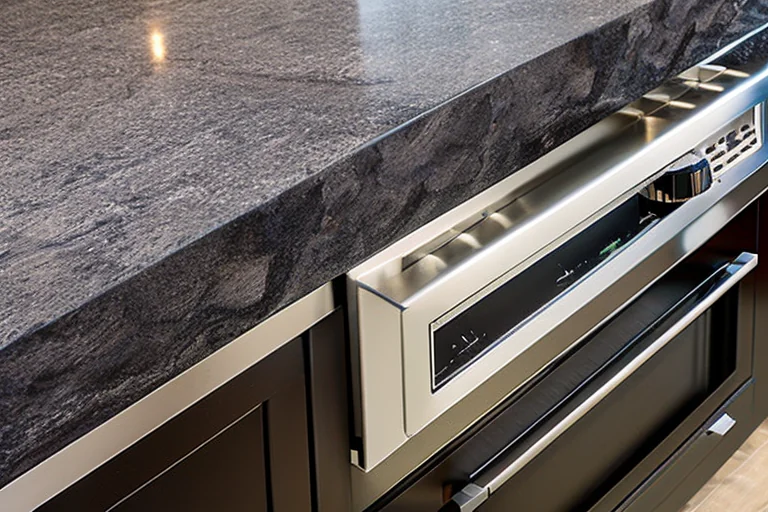
Quartz is hard, but its polished surface can be scratched by abrasives. Avoid scouring powders like Vim or Ajax, cream cleaners with gritty particles, and steel wool or metal scouring pads. Even some green Scotch-Brite pads can be too abrasive for daily use. These materials create tiny, microscopic scratches that accumulate over time, creating a cloudy, dull film on the surface that obscures the natural sparkle of the quartz. This is especially noticeable on darker colours like our deep, dramatic Evening Blossom, where a flawless polish is key to the luxurious effect.
Strong Solvents and Adhesives
The resins in quartz are also vulnerable to certain powerful solvents. Never use paint thinners, nail polish remover (acetone), turpentine, or methylated spirits directly on the surface, as they can cause softening, discolouration, or even partial dissolution of the resin, leaving a sticky, damaged patch. Similarly, be extremely cautious with superglue or other strong adhesives. If you accidentally spill such a substance, do not try to scrape it off while wet, as you may spread it or scratch the surface. The safe approach is to let it fully harden and then consult a professional for careful removal.
Extreme Heat
While quartz is heat resistant, it is not heatproof. The resin component can be damaged by sudden, extreme temperature changes. Never place a scorching hot pan, roasting tray, or boiling kettle directly from the hob onto the quartz surface. Always use a trivet, hot pad, or stand. Placing a hot item on a cold worktop (or vice versa) can cause thermal shock, potentially leading to cracks or permanent discolouration known as “burn” marks, which are actually a chemical change in the resin.
Safe and Effective Cleaning: The Right Way
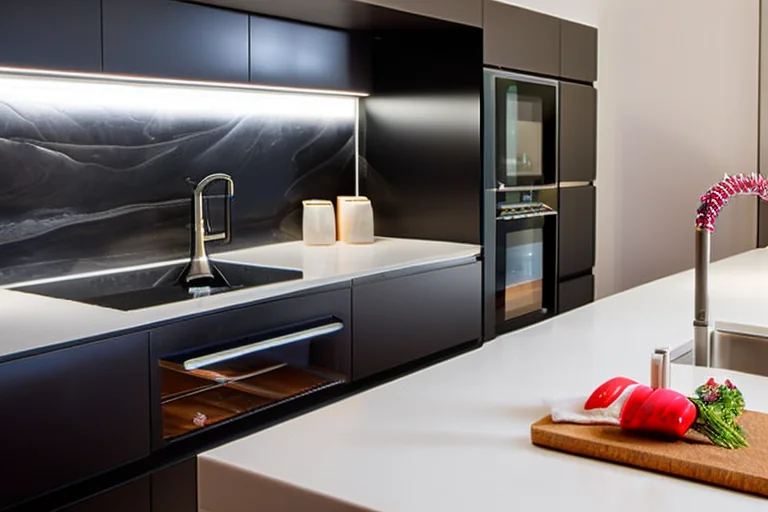
Now that we’ve covered the dangers, the good news is that proper daily cleaning is wonderfully simple. For routine cleaning, all you need is warm water, a drop of mild washing-up liquid (like Fairy Liquid), and a soft cloth or non-abrasive sponge. Wipe the surface clean and dry it with a microfibre cloth to prevent water spots and achieve a streak-free shine. For disinfecting, a spray of isopropyl alcohol (rubbing alcohol) diluted with water is a safe and effective option. For stubborn dried-on food or light stains, a plastic scraper or putty knife can be used gently at a shallow angle. Remember, the non-porous nature of quartz means stains typically sit on the surface, making them easier to deal with if you act promptly.
Dealing with Accidents and Stains
Even with the best care, accidents happen. The critical factor is speed. For oil-based stains (cooking oil, grease, butter), make a paste with a gentle powder and water, apply it to the stain, cover with cling film, and leave it overnight before wiping away. For ink or dye, try dabbing with isopropyl alcohol. For dried paint or gum, gently scrape off what you can with a plastic tool and use a small amount of isopropyl alcohol on a cloth for the residue. If you are ever unsure or face persistent damage, it’s wise to seek professional advice. For more detailed solutions on addressing specific issues, our guide on Quartz Worktop Repairs: Common Issues & Solutions is an invaluable resource.
Choosing Quality Quartz for Inherent Resilience
Your first line of defence starts with your initial selection. Not all quartz is created equal. High-quality manufacturers like Warner Quartz use advanced Bretonstone technology and premium resins to create slabs with superior density and stain resistance. This means the surface is less susceptible to etching and chemical damage from the outset. A well-made quartz worktop, installed by skilled professionals, provides a robust foundation that, when paired with the correct care regimen outlined here, will stand the test of time beautifully, looking as spectacular on its tenth anniversary as it did on day one.
By steering clear of the damaging products listed and embracing simple, gentle cleaning, you are not just maintaining a surface; you are preserving the heart of your kitchen. Your quartz worktop is designed to be both a workhorse and a showpiece. With this knowledge, you can confidently ensure it fulfils both roles perfectly for a lifetime. Ready to explore the perfect quartz for your home? Browse our complete quartz collection to discover the colours and patterns that will inspire your dream kitchen.

 English (UK)
  العربية
  Español de México
  Português
  한국어
한국어  Français
  日本語
日本語  Bahasa Indonesia
  Italiano
  Türkçe
  Deutsch
  Русский
  简体中文
简体中文