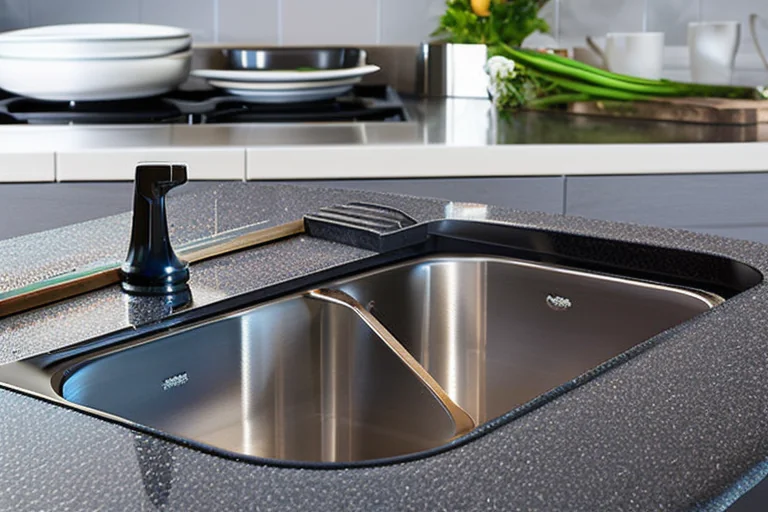
Your quartz worktop is the crowning glory of your kitchen, a seamless blend of natural beauty and engineered resilience that resists stains, scratches, and daily wear with impressive ease. However, even the most robust materials have their Achilles’ heel, and for quartz, that is extreme and sudden heat. While you might be tempted to slide a sizzling roasting pan straight from the oven onto its cool, inviting surface, doing so can lead to permanent damage that mars its flawless finish. Understanding how to protect your investment from thermal shock isn’t about treating quartz as fragile; it’s about employing simple, smart practices that ensure its beauty endures for a lifetime of cooking and entertaining. This guide will walk you through everything you need to know about heat protection, from the science behind the material to the essential accessories that should become part of your daily kitchen routine.
Understanding Quartz and Its Relationship with Heat
To care for your worktop properly, it helps to know what it’s made of. Quartz surfaces are an engineered stone, typically composed of around 90-95% ground natural quartz crystals bound together with 5-10% polymer resins and pigments. This composition is what gives quartz its incredible strength, non-porosity, and consistent colouration. The resin, however, is the key factor when discussing heat tolerance. While the quartz crystals themselves can withstand very high temperatures, the polymer resins have a much lower melting point, usually beginning to soften or discolour at temperatures above 120-150°C. Placing a pot or pan that is significantly hotter than this—such as one straight from a hob at 200°C or an oven at 220°C—directly onto the surface can cause thermal shock. This sudden, localised temperature change can lead to cracking, clouding, or a permanent dull spot where the resin has been compromised. It’s a physical change that cannot be polished or repaired out, only replaced.
The Golden Rules: Maximum Temperatures and Immediate Risks
As a general rule of thumb, you should never place any item hotter than lukewarm water directly onto your quartz surface without protection. Most manufacturers advise that the maximum safe, continuous temperature is around 60°C. A hot mug of tea or a bowl of soup is usually fine, but a boiling kettle, a searing skillet, or a baking tray fresh from the oven is not. The immediate risks are twofold. First, direct contact with extreme heat can cause discolouration, leaving a white, cloudy ring or a yellowed stain that is baked into the resin. Second, and more severely, thermal shock can cause the material to crack or chip, especially near edges, cut-outs, or seams where stress is concentrated. This is why proper installation is also a form of heat protection; a perfectly level and fully supported worktop is less likely to crack under thermal stress than one with unsupported areas.
Choosing the Right Cookware for Your Kitchen
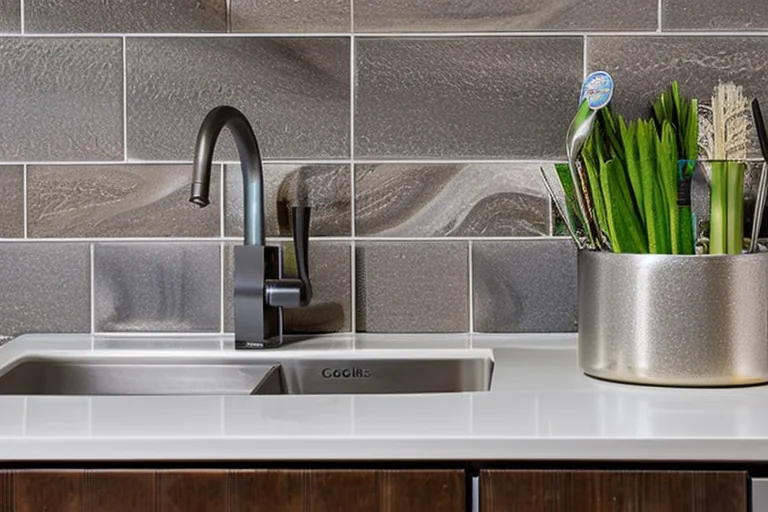
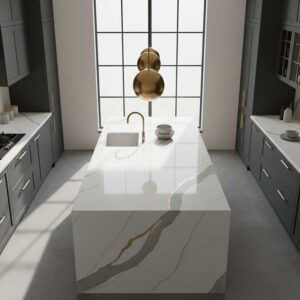
Your choice of pots and pans plays a significant role in worktop safety. Some materials retain and radiate heat more aggressively than others. Cast iron and stainless steel cookware, for instance, are excellent conductors and can remain dangerously hot on their bases long after being removed from the heat source. Always use a trivet or hot pad with these. Copper-bottomed pans also transfer heat efficiently. Conversely, cookware with encapsulated bases or those made from materials like ceramic or glass may cool slightly faster but should still never be placed directly on quartz. A good habit is to assume all cookware is hot enough to cause damage until it has cooled on a stove or in a safe zone. Investing in a stylish Warner Ice Maple worktop brings a cool, sophisticated elegance to your kitchen, and protecting it with the right habits ensures that elegance lasts.
Essential Protective Accessories: More Than Just Trivets
Trivets are the first line of defence, but the world of heat protection offers stylish and functional solutions that integrate seamlessly into your kitchen design. Traditional metal or silicone trivets are highly effective and come in countless designs. For a more integrated look, consider custom-cut granite or marble tiles that can be placed strategically near cooking areas; these natural stones can handle high heat beautifully. Heat-resistant mats made from cork, silicone, or treated felt are another excellent option, providing a large, stable area for multiple hot items. For a truly bespoke solution, some homeowners opt for a dedicated ‘hot zone’ made from a different material, such as a section of stainless steel or a butcher block inset within their quartz worktop, creating a designated safe area for hot pans directly next to the hob.
Developing Safe Daily Habits
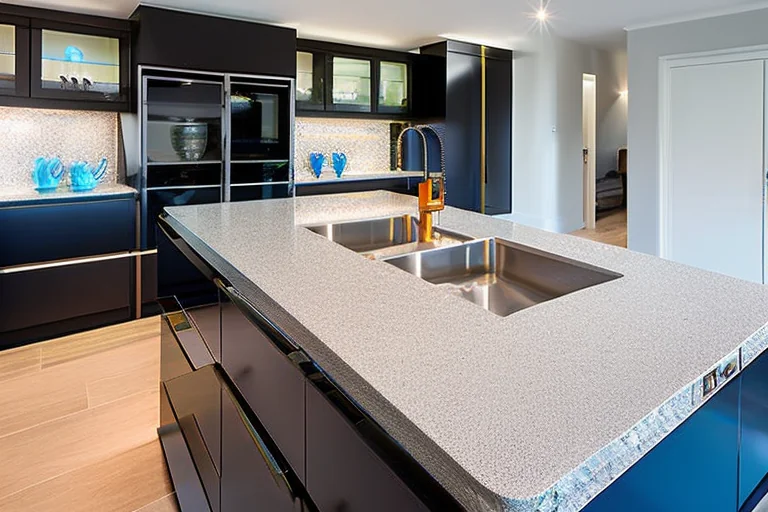
Protection becomes second nature when incorporated into your daily routine. Always keep a trivet or mat on your worktop near the hob and oven, so it’s readily available the moment you need it. Make it a non-negotiable rule that no hot cookware touches the quartz surface, even for a moment. Educate everyone in the household, including children and guests, about this simple rule. When hosting or during busy meal prep, use large trays or cooling racks to manage multiple hot dishes. Furthermore, be mindful of small appliances. Slow cookers, pressure cookers, and air fryers can generate significant heat on their bases during prolonged use. Always ensure they are placed on a protective mat, not directly on the quartz.
What to Do If Accidental Heat Damage Occurs
Despite our best efforts, accidents can happen. If you place a hot pan on the surface and notice an immediate cloudy ring or discolouration, do not attempt to clean it with cold water, as this could exacerbate thermal shock. Allow the area to cool completely. Often, a mild, temporary discolouration may fade as the resin cools and re-sets. However, permanent burns or cracks will not improve. For minor resin burns, a professional fabricator may be able to lightly sand and polish the area, though this is not always successful and depends on the depth of the damage. For cracks or severe discolouration, the affected section of the worktop will likely need to be replaced. This underscores the importance of using a reputable supplier and installer who can provide expert advice and service if the unexpected occurs.
The Role of Professional Installation in Long-Term Protection
A correctly installed quartz worktop is fundamentally more resilient. Professional installers ensure the substrate (the base cabinets) is perfectly level and provides full, continuous support across the entire underside of the stone. Any flex or movement in an unsupported area, particularly near an overhang for a breakfast bar, creates a point of weakness. When thermal stress is applied to a weak point, the likelihood of cracking increases dramatically. Expert fabricators also ensure seams are tightly joined and edges are properly finished, eliminating potential failure points. Investing in professional fabrication and installation is not just about a perfect fit; it’s about building a stable foundation that helps your worktop withstand the demands of daily life, including accidental thermal events.
Enjoying Your Quartz Worktop with Confidence
Quartz remains one of the most practical and beautiful choices for a modern kitchen. Its low maintenance and hygienic properties far outweigh the simple precaution of using a trivet. By understanding the material’s properties, choosing cookware wisely, integrating protective accessories into your kitchen’s design, and cultivating safe habits, you can completely avoid heat-related issues. Your worktop will continue to provide a stunning, durable, and functional centrepiece for your home for many years to come. The key is respectful use—treating your quartz surface as the premium investment it is, ensuring its timeless appeal never fades.
Ready to explore the perfect quartz worktop for your home with the confidence that comes from expert guidance? Discover our professional fabrication services where precision installation meets exceptional materials, ensuring your dream kitchen is built to last.

 English (UK)
  العربية
  Español de México
  Português
  한국어
한국어  Français
  日本語
日本語  Bahasa Indonesia
  Italiano
  Türkçe
  Deutsch
  Русский
  简体中文
简体中文