
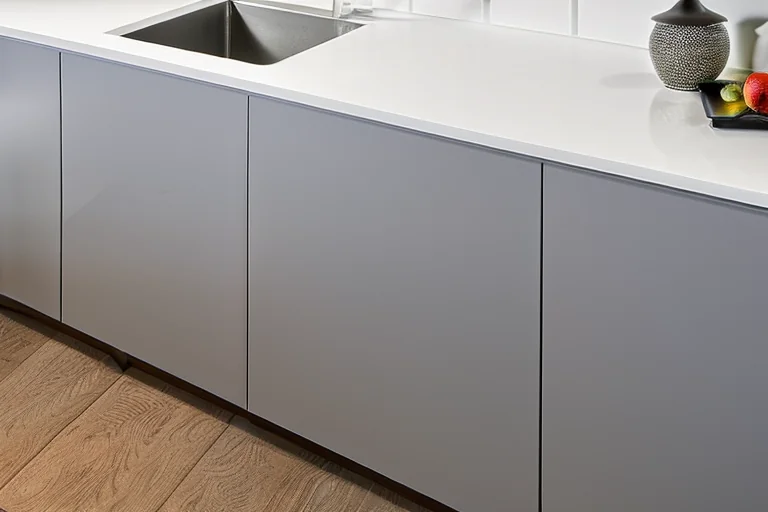
When you invest in beautiful quartz worktops for your kitchen, you’re not just choosing a surface – you’re making a commitment to decades of elegant, functional living space. Many homeowners are drawn to quartz for its remarkable durability and stunning appearance, but what truly sets it apart is how it maintains its like-new condition with proper care. Unlike natural stone that requires regular sealing, quartz offers a virtually maintenance-free experience while delivering exceptional performance. The secret lies in understanding both the material’s strengths and its few limitations, allowing you to develop care routines that preserve that showroom perfection for years to come. Whether you’ve recently installed quartz surfaces or are considering them for your kitchen renovation, mastering these long-term care techniques will ensure your worktops remain the centrepiece of your kitchen for decades.
Understanding Quartz’s Unique Composition
To properly care for your quartz worktops, it helps to understand what makes this material so special. Quartz surfaces are engineered stone products composed of approximately 90-95% natural quartz crystals bound together with high-quality polymer resins and pigments. This manufacturing process creates a non-porous surface that’s inherently resistant to staining and bacterial growth – a significant advantage over natural stones like granite or marble. The resin binders fill all the microscopic gaps that exist in natural stone, creating a smooth, impermeable surface that doesn’t require sealing. This non-porous nature means liquids can’t penetrate the surface, making quartz exceptionally hygienic for food preparation areas. However, the resin content also means quartz has specific care requirements different from natural stone, particularly regarding heat resistance and chemical exposure.
Daily and Weekly Cleaning Routines
Establishing proper cleaning habits from day one is crucial for maintaining your quartz worktops’ pristine appearance. For daily cleaning, simply use a soft cloth or sponge with warm water and a small amount of mild dish soap. Wipe the surface in circular motions to remove food particles, spills, and general kitchen grime. Avoid abrasive cleaners, scouring pads, or harsh chemicals that could dull the surface over time. For weekly deep cleaning, you can use a dedicated quartz cleaner or create your own solution with equal parts water and isopropyl alcohol. This helps remove any built-up residues without damaging the surface. Always dry the surface with a soft cloth after cleaning to prevent water spots, particularly if you have hard water in your area. Remember that prompt attention to spills, especially those containing strong colourants like red wine or turmeric, will prevent any potential staining.
What to Avoid for Long-Term Protection
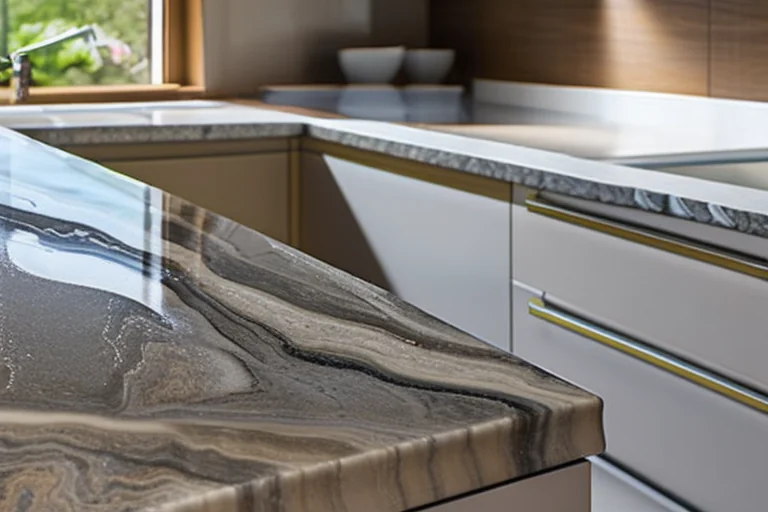
While quartz is incredibly durable, understanding its limitations will help you preserve its beauty for decades. Heat protection is paramount – always use trivets or hot pads under pans, slow cookers, and other hot items straight from the oven or hob. Although quartz is heat resistant to a degree, sudden temperature changes can cause thermal shock, potentially leading to cracks or discolouration. Avoid cutting directly on the surface as sharp knives can leave fine scratches over time, and never use quartz as a chopping board. Certain chemicals can damage the resin binders, so avoid bleach, oven cleaners, drain cleaners, and other strong solvents. Nail polish remover, permanent markers, and paint thinners should also be kept away from quartz surfaces. For households with particularly vibrant options like our Warner Ice Maple, maintaining the original lustre becomes even more important to preserve the distinctive visual appeal.
Dealing with Stains and Spills Effectively
Despite quartz’s non-porous nature, some substances can leave surface stains if not addressed promptly. For common kitchen spills like coffee, tea, juice, or oil, immediate cleaning with soap and water usually suffices. For more stubborn stains, create a paste with baking soda and water, apply it to the affected area, and let it sit for several hours before wiping clean. For dried-on food or gum, gently scrape with a plastic putty knife rather than metal tools that could scratch the surface. If you encounter particularly persistent stains, a small amount of acetone on a soft cloth can help, but test in an inconspicuous area first and rinse thoroughly afterwards. Remember that prevention is always better than cure – using cutting boards, coasters, and placemats will significantly reduce the risk of stains and surface damage over the years.
Addressing Minor Damage and Wear
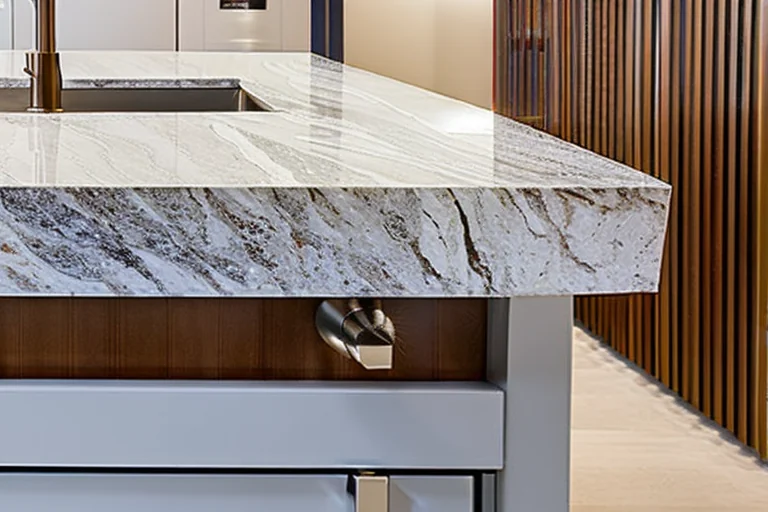
Even with the best care, quartz worktops may develop minor scratches or etching over decades of use. For light surface scratches, you can often buff them out with a small amount of toothpaste on a soft cloth or use a dedicated stone polishing compound. Deeper scratches might require professional attention, so consult your fabricator for repair options. If you notice any chips along the edges, these can typically be repaired with colour-matched epoxy resins that blend seamlessly with the original surface. Regular inspection of seams and edges will help you catch potential issues early before they develop into more significant problems. For worktops near sinks, ensure that the sealant between the quartz and sink remains intact to prevent water penetration that could damage the cabinetry below.
Long-Term Maintenance Strategies
Beyond daily cleaning, implementing strategic long-term care practices will keep your quartz worktops looking new for decades. Consider using protective mats in high-use areas like near the cooker or food preparation zones. Rotate small appliances occasionally to prevent uneven fading or wear patterns from developing. If your kitchen receives direct sunlight, use blinds or curtains during peak hours to prevent potential UV discolouration over many years. Every six months, give your worktops a thorough inspection, checking for any changes in the surface, seams, or supporting structure. If you have an undermount sink, ensure the silicone seal remains watertight and replace it if you notice any deterioration. These proactive measures, combined with proper daily care, will ensure your quartz surfaces remain as beautiful in twenty years as they are today.
Seasonal Deep Cleaning Techniques
Incorporating seasonal deep cleaning into your home maintenance routine will preserve your quartz worktops’ original lustre. Every three to four months, give the surfaces a comprehensive clean using a quartz-safe disinfectant to eliminate any bacteria that regular cleaning might miss. Pay special attention to areas around taps and sinks where mineral deposits can build up. For hard water stains, use a mixture of equal parts water and white vinegar, but limit this treatment to occasional use only and always rinse thoroughly afterwards. During your seasonal clean, take the opportunity to reseal any gaps between the worktop and walls if necessary, though the worktop itself never requires sealing. This regular maintenance not only keeps your surfaces looking their best but also allows you to identify any potential issues before they become significant problems.
Ready to experience the lasting beauty of properly maintained quartz worktops in your own kitchen? Explore our professional fabrication services and discover how expert installation combined with proper care creates surfaces that truly stand the test of time.

 English (UK)
  العربية
  Español de México
  Português
  한국어
한국어  Français
  日本語
日本語  Bahasa Indonesia
  Italiano
  Türkçe
  Deutsch
  Русский
  简体中文
简体中文