
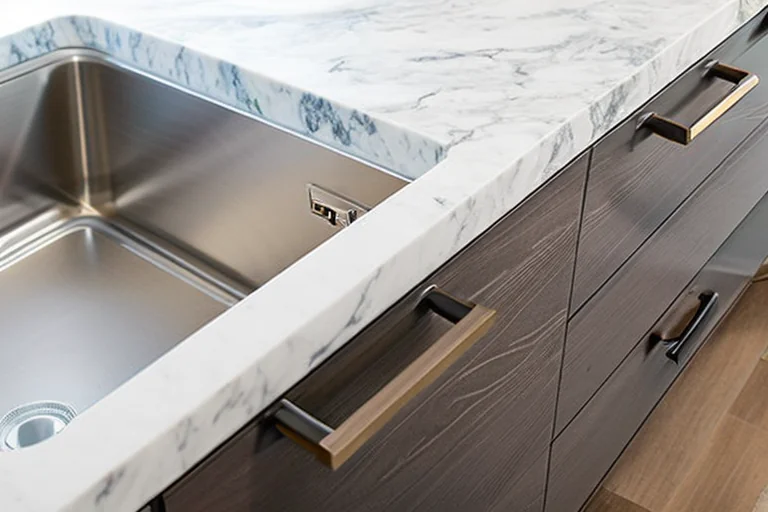
There’s nothing quite like that moment of panic when you watch a glass of merlot tip over or a splash of olive oil escape your cooking pan, heading straight for your beautiful quartz worktop. As a kitchen design specialist who’s worked with hundreds of homeowners, I’ve seen everything from coffee rings that look like modern art to oil stains that seem determined to become permanent residents. The good news? Quartz is one of the most stain-resistant materials available for kitchen surfaces, but knowing exactly how to tackle different types of stains can make all the difference between a quick clean-up and a lasting mark that niggles at you every time you walk into your kitchen.
Why Quartz Stands Up to Stains So Well
Before we dive into the specific cleaning techniques, it’s helpful to understand why quartz worktops are such champions when it comes to resisting stains. Unlike natural stone surfaces that require regular sealing, quartz is engineered using approximately 90-95% ground natural quartz crystals combined with polymer resins and pigments. This manufacturing process creates a non-porous surface that simply doesn’t have the microscopic holes that allow liquids to penetrate. Think of it like a continuous, solid surface rather than one with tiny openings – spills sit on top rather than soaking in. This quality makes quartz particularly brilliant for busy kitchens where spills are inevitable, whether you’re rushing your morning coffee or preparing a elaborate dinner party.
However, it’s crucial to remember that “stain-resistant” doesn’t mean “stain-proof.” While the surface itself resists absorption, certain substances can leave behind residue or cause discolouration if not addressed properly. Pigmented liquids like red wine or coffee can sometimes leave a faint shadow if left for extended periods, while oily substances might create a dull spot if they’re allowed to sit and attract dirt. The key is understanding that timing and technique matter enormously – which brings us to the essential tools and mindset you’ll need for successful stain removal.
Essential Cleaning Tools and Mindset
Having the right tools to hand makes stain removal far less stressful. You don’t need specialised equipment – most households already have everything required. Keep a soft microfiber cloth or sponge dedicated to your quartz worktops, as abrasive scrubbers can damage the surface over time. A plastic scraper or old credit card is perfect for lifting dried spills without scratching. For cleaning solutions, mild dish soap, isopropyl alcohol, and baking soda are your best friends. Avoid harsh chemicals like bleach, ammonia, or acidic cleaners as they can break down the resin binders over time, causing discolouration or dullness.
The most important aspect of stain removal is speed. While quartz gives you more time than porous surfaces, addressing spills immediately always yields the best results. Think of it as a two-stage process: immediate action for fresh spills and more targeted treatment for anything that’s had time to set. This approach will keep your worktops looking pristine for years, whether you’ve chosen a light colour like our Morning Glow collection or a dramatic dark surface like Black Pearl.
Tackling Coffee Stains on Quartz
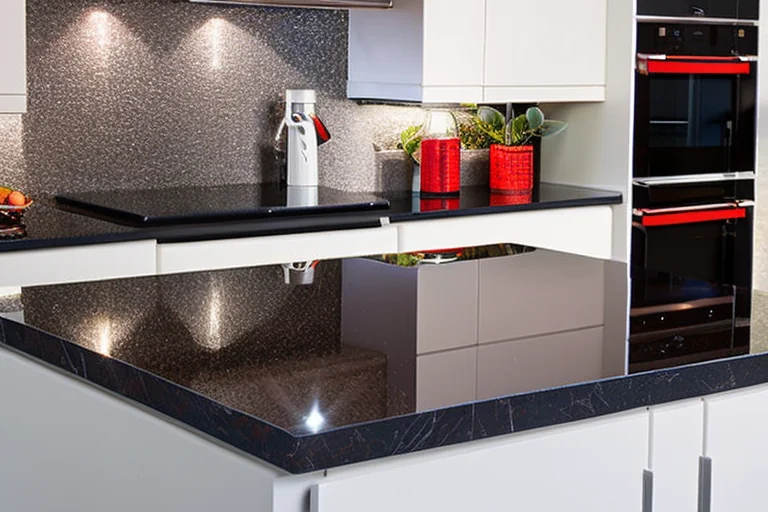
Coffee stains are among the most common complaints I hear from clients, especially those with light-coloured worktops. The combination of pigments and acidity can leave noticeable rings if not handled correctly. For fresh coffee spills, simply wipe immediately with a damp cloth and mild detergent. The non-porous nature of quartz means the liquid won’t soak in, so thorough wiping usually does the trick. If you discover a dried coffee ring later, don’t panic – it’s almost certainly sitting on the surface rather than having penetrated it.
For set-in coffee stains, create a paste using baking soda and water. Apply it gently to the stained area and let it sit for 5-10 minutes. The baking soda acts as a gentle abrasive that lifts the stain without damaging the quartz surface. Use a soft cloth to wipe away the paste, then rinse with clean water and dry thoroughly. For particularly stubborn coffee marks, you can use a small amount of isopropyl alcohol on a cloth – this helps to break down the coffee oils without harming the quartz. Always test any cleaning method in an inconspicuous area first, though quartz is remarkably consistent in its reaction to proper cleaning techniques.
Preventing Coffee Stains Long-Term
Prevention is always better than cure, even with stain-resistant surfaces like quartz. Using coasters under mugs prevents heat exposure and creates a barrier against any potential staining. Wiping up spills immediately remains the golden rule – don’t let coffee sit while you finish reading emails or watching television. Regular cleaning with pH-neutral cleaners maintains the surface’s integrity and makes future clean-ups easier. If you’re designing a new kitchen and know coffee will be a daily feature, consider quartz patterns with subtle veining or speckling that can help camouflage any potential minor staining between cleanings.
Conquering Wine Spills on Quartz Surfaces
Red wine spills can make anyone’s heart sink, but quartz is remarkably forgiving when you know the right approach. The deep pigments in red wine are what cause most concern, but since quartz is non-absorbent, the wine cannot penetrate the surface. For immediate clean-up, blot (don’t wipe) the spill with a clean cloth to remove as much liquid as possible. Wiping can spread the wine over a larger area. Follow with a cloth dampened with warm water and a drop of washing-up liquid, then rinse and dry completely.
If you’re dealing with a wine stain that has been left unattended, don’t reach for harsh chemicals. Create a cleaning paste using hydrogen peroxide and baking soda – the bubbling action helps lift the stain from the surface. Apply the paste to the stain, cover with cling film to keep it moist, and leave for several hours or overnight. The gentle chemical reaction will break down the wine pigments without damaging your worktop. Remove the paste with a soft cloth and warm water, then dry thoroughly. This method works beautifully on both light and dark quartz surfaces, though you might notice results more quickly on lighter colours.
Eliminating Cooking Oil and Grease Stains
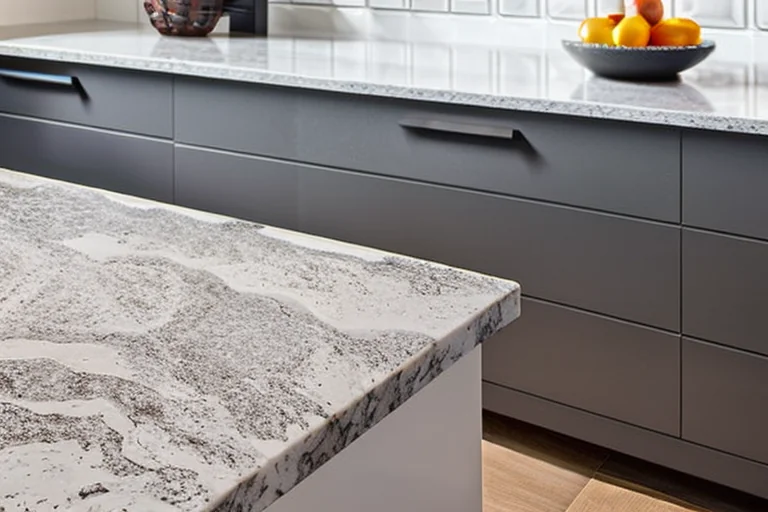
Cooking oils present a different challenge than coloured liquids like coffee or wine. Rather than leaving a pigmented mark, oils can create a dull film or sticky residue that attracts dirt and dust. The good news is that quartz’s non-porous nature works in your favour here too – the oil cannot penetrate deeply. For fresh oil spills, simply wipe with a cloth and warm, soapy water. The soap helps to emulsify the oil, allowing it to be rinsed away cleanly.
For dried or sticky oil residues, you might need a slightly different approach. Start by sprinkling cornflour or baking soda over the area to absorb any excess oil. Let it sit for 15-20 minutes, then wipe away. Follow with a cloth dampened with isopropyl alcohol, which will cut through any remaining oily film without leaving residue. Avoid using vegetable oil or oil-based cleaners on quartz, as they can create a build-up that’s difficult to remove. If you do a lot of frying or oily cooking, consider designating a specific area of your worktop with a cutting board or mat to contain any potential spills.
Dealing with Stubborn Oil Stains
Occasionally, you might encounter an oil stain that seems particularly determined to stay put. In these cases, a plastic scraper can be your best friend. Gently scrape the surface to lift any thickened oil residue, then follow with the baking soda and alcohol method described above. Never use metal scrapers or abrasive pads, as these can permanently scratch the quartz surface. Remember that what looks like a stain might actually be a slight etching from acidic substances that were spilled alongside the oil – in these rare cases, professional polishing might be required, though this is uncommon with proper maintenance.
What Never to Use on Quartz Worktops
While quartz is durable, certain products can cause permanent damage. Avoid abrasive cleaners, scouring pads, and steel wool, which can scratch the surface and destroy its shine. Never use oven cleaners, drain cleaners, or bleach-based products, as the harsh chemicals can break down the resin binders. Acidic cleaners containing lemon, vinegar, or other citrus ingredients can cause etching or dull spots over time. Also avoid placing hot pans directly on quartz – while it’s heat resistant, sudden temperature changes can cause thermal shock and potential damage.
When in doubt, stick to mild dish soap and warm water for daily cleaning. For deeper cleans, isopropyl alcohol diluted with water makes an excellent quartz-safe disinfectant. Many manufacturers produce specific quartz cleaners that are formulated to maintain the surface without causing damage – these are worth investing in if you want complete peace of mind. Proper care ensures your quartz worktops will maintain their beauty for decades, making them a brilliant long-term investment for your kitchen.
Integrating Quartz into Your Kitchen Design
Choosing quartz isn’t just about practical benefits – it’s a design decision that impacts your entire kitchen aesthetic. The stain-resistant qualities make it particularly suitable for busy family kitchens, entertainment spaces, and homes where cooking is a central activity. When planning your kitchen layout, consider how different quartz patterns and colours will work with your lifestyle. Lighter colours like whites and creams show fewer water spots but might require more frequent wiping, while darker tones and busier patterns can be more forgiving between cleanings.
Think about how your worktop choice complements your cabinetry, flooring, and overall kitchen style. Quartz offers incredible consistency in patterning, which means you get exactly what you see in samples without the variations found in natural stone. This predictability makes planning much easier, especially when coordinating with other elements in your kitchen. Whether you’re creating a sleek modern space or a traditional country kitchen, there’s a quartz option that will enhance your design while providing the practical benefits we’ve discussed throughout this article.
Ready to explore the perfect quartz worktop for your home? Browse Our Complete Quartz Worktop Collection to discover surfaces that combine stunning aesthetics with practical stain resistance. Our specialists are available to help you choose the ideal quartz for your lifestyle and design vision.

 English (UK)
  العربية
  Español de México
  Português
  한국어
한국어  Français
  日本語
日本語  Bahasa Indonesia
  Italiano
  Türkçe
  Deutsch
  Русский
  简体中文
简体中文