
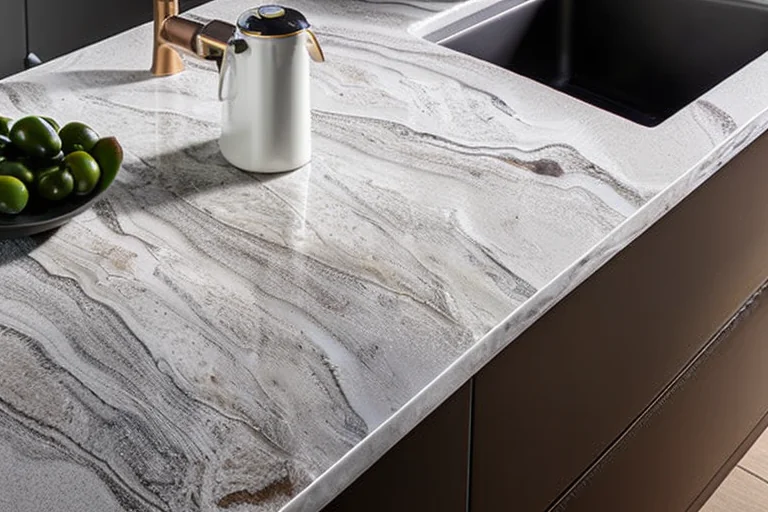
There’s nothing quite like the heart-sinking moment when you watch a glass of rich red wine tip over onto your beautiful quartz worktop, or discover that morning coffee spill has left its mark while you were rushing out the door. As a kitchen design specialist who’s worked with hundreds of homeowners, I’ve seen it all – from turmeric disasters to olive oil mysteries that appeared overnight. The good news? Quartz is one of the most resilient materials you can choose for your kitchen, and with the right knowledge, even the toughest stains don’t stand a chance. Understanding how to properly care for your quartz surfaces means you can enjoy both their stunning aesthetic appeal and practical durability for years to come, without constantly worrying about every spill and splash.
Why Quartz Stands Up to Stains Better Than Natural Stone
Before we dive into the nitty-gritty of stain removal, it’s helpful to understand what makes quartz such a remarkable material for kitchen worktops. Unlike natural stone like marble or granite, quartz worktops are engineered using approximately 90-95% ground natural quartz crystals blended with polymer resins and pigments. This manufacturing process creates a non-porous surface that simply doesn’t have the microscopic holes and fissures that allow liquids to penetrate natural stone. That non-porous quality is your first line of defence against staining – most liquids will sit on the surface rather than being absorbed, giving you precious time to clean up spills before they become permanent problems.
However, it’s important to recognise that “stain-resistant” doesn’t mean “stain-proof.” While quartz’s non-porous nature prevents deep penetration, certain pigmented substances can still leave surface discolouration if left unattended. The resins used in quartz manufacturing can be susceptible to chemical damage from harsh cleaners, which is why using the right cleaning methods is crucial. Think of your quartz surface as having a protective shield that works brilliantly under normal circumstances, but still requires proper maintenance to keep it performing at its best. This understanding will help you approach stain removal with confidence rather than anxiety.
The Science Behind Common Kitchen Stains
Different stains behave in distinct ways on quartz surfaces, and understanding their characteristics will make you much more effective at dealing with them. Coffee stains, for instance, contain tannins – natural plant compounds that can bind to surfaces and create yellowish-brown discolouration. Red wine brings both strong pigments and acidity to the party, while cooking oils can leave greasy residues that attract dirt and dust, making stains appear darker over time. Each requires a slightly different approach, though the fundamental principles of quartz care remain consistent across all stain types.
Coffee Stains: The Morning Menace
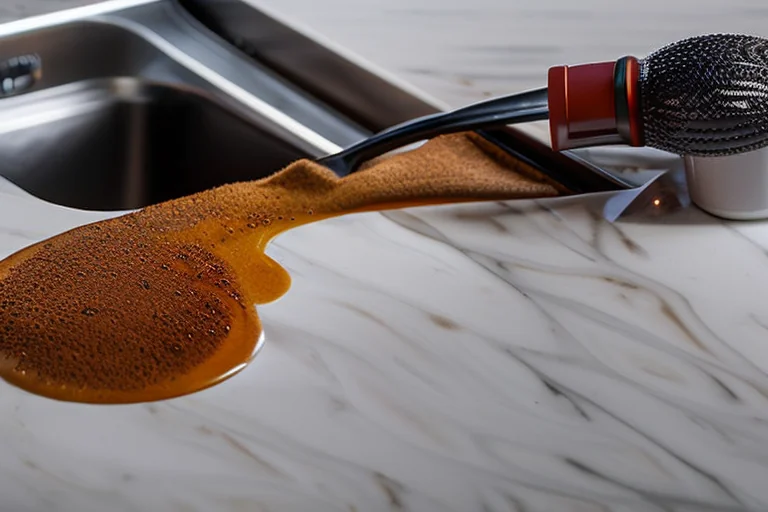
That morning cuppa might be your daily ritual, but when it meets your quartz worktop unexpectedly, quick action is essential. Start by blotting (never wiping) the spill with a clean, absorbent cloth to remove as much liquid as possible. Wiping can spread the coffee over a larger area, making the problem worse. For fresh spills, warm water with a small amount of washing-up liquid usually does the trick. Apply the soapy solution with a soft cloth, rinse thoroughly with clean water, and dry with a microfiber cloth to prevent water spots.
For older or set-in coffee stains that have had time to develop, you might need to step up your game. Create a paste using baking soda and water, applying it gently to the stained area and letting it sit for 5-10 minutes before wiping away with a damp cloth. The mild abrasiveness of baking soda helps lift surface discolouration without scratching your quartz. Always avoid abrasive scrubbers or pads, as these can damage the polished surface. If you’re considering new quartz worktops and worry about coffee stains, darker patterns like Warner Ice Maple can be more forgiving with light-coloured spills.
Red Wine: The Dinner Party Dilemma
There’s something particularly dramatic about red wine spills – that deep crimson liquid spreading across your beautiful worktop can feel like a scene from a horror film. But take a deep breath, because quartz is remarkably resilient to wine stains. Your immediate response should be to blot the spill with paper towels or a clean cloth, working from the outside inward to contain the spread. Follow with a gentle cleaner specifically designed for quartz surfaces, or use a mixture of warm water and a few drops of washing-up liquid.
For persistent wine stains, isopropyl alcohol can be your secret weapon. Dampen a cloth with a small amount of rubbing alcohol and gently dab at the stain, then rinse thoroughly with water. The alcohol helps break down the wine pigments without damaging the quartz resins. Remember that prevention is always better than cure – using coasters and immediately addressing spills will keep your worktops looking pristine. For more detailed stain removal techniques, our comprehensive guide on Remove Coffee, Wine & Oil Stains from Quartz Worktops offers additional professional insights.
Oil and Grease: The Stealthy Stainers
Cooking oils and greases present a different challenge altogether. Unlike coloured liquids that leave visible pigments, oils can create dull patches or attract other dirt to create darker areas on your worktop. The slippery nature of oils means they can spread surprisingly far from the original spill site. Your first step should always be to absorb as much of the oil as possible using paper towels or cornflour – sprinkle cornflour over the spill, let it sit for 15-20 minutes to absorb the oil, then gently sweep it away.
For residual grease films, a degreasing spray designed for quartz surfaces works wonders. Alternatively, create your own solution using warm water and a small amount of ammonia-free glass cleaner. Spray lightly, let sit for a minute, then wipe clean with a soft cloth. Avoid using vinegar or citrus-based cleaners on oil stains, as these can sometimes interact with the oils to create a hazy film that’s difficult to remove. Regular wiping of cooking areas after meal preparation will prevent oil buildup and keep your quartz looking its best.
Prevention and Long-Term Maintenance Strategies
The best stain removal method is preventing stains from occurring in the first place. Establishing good habits will save you time and preserve your worktop’s beauty for decades. Always use cutting boards for food preparation rather than cutting directly on the quartz surface – while quartz is highly scratch-resistant, sharp knives can potentially cause damage over time. Use trivets or hot pads under hot pans, as extreme temperature changes can potentially affect the resins in quartz, even though the material is heat-resistant.
Establish a regular cleaning routine using pH-balanced cleaners specifically formulated for quartz surfaces. Avoid harsh chemicals like bleach, oven cleaners, or abrasive scrubbing pads that can degrade the surface finish. For daily maintenance, simply wiping with warm water and a soft cloth is often sufficient. Consider the pattern and colour of your quartz when designing your kitchen – busier patterns can be more forgiving about minor stains between cleanings, while solid colours showcase the material’s purity but may require more frequent attention.
When Professional Help is Needed
While most common stains can be handled with household methods, there may be occasions when professional intervention is warranted. If you’ve tried appropriate cleaning techniques and a stain persists, or if you notice any surface damage like etching or cloudiness, contact your quartz supplier or fabricator for advice. They understand the specific composition of your worktop and can recommend specialised cleaning products or techniques. In rare cases where damage has occurred, professional polishing or repair might be necessary to restore your surface to its original glory.
Remember that proper installation by experienced professionals plays a crucial role in your worktop’s long-term performance and appearance. A perfectly sealed and supported quartz installation will be much easier to maintain than one with gaps or uneven surfaces where stains can accumulate. Investing in quality fabrication ensures that your beautiful quartz worktops remain the centrepiece of your kitchen for years to come, standing up beautifully to the demands of daily family life while maintaining their stunning visual appeal.
Ready to explore the perfect quartz solution for your kitchen? Browse our complete quartz collection and discover the extensive range of colours and patterns designed to complement any style while offering exceptional stain resistance and durability for busy family homes.


 English (UK)
  العربية
  Español de México
  Português
  한국어
한국어  Français
  日本語
日本語  Bahasa Indonesia
  Italiano
  Türkçe
  Deutsch
  Русский
  简体中文
简体中文