

When planning your dream kitchen, the choice of worktop thickness might seem like a minor detail, but it’s actually one of the most significant decisions you’ll make. The thickness of your quartz worktop doesn’t just affect how it looks—it influences everything from structural requirements and installation complexity to the overall feel and durability of your kitchen. Many homeowners find themselves torn between the popular 20mm and 30mm options, each offering distinct advantages depending on your design vision, budget, and practical needs. Understanding these differences is key to creating a kitchen that not only looks stunning but functions perfectly for years to come.
Understanding Quartz Worktop Thickness Options
Quartz worktops typically come in two standard thicknesses: 20mm and 30mm. The 20mm option, approximately three-quarters of an inch thick, has been the industry standard for many years and remains a popular choice for its versatility and cost-effectiveness. The 30mm option, at just over an inch thick, represents the premium end of the market, offering a more substantial appearance and enhanced durability. Both thicknesses are created using the same manufacturing process, where approximately 90-95% crushed quartz is bonded with polymer resins and pigments under intense pressure and heat. The difference in thickness is achieved during the manufacturing process, with thicker slabs requiring more material and longer curing times, which contributes to their higher price point.
It’s worth noting that while these are the standard options, some manufacturers may offer custom thicknesses for specific projects. However, for most residential kitchens, 20mm and 30mm represent the practical choices that will deliver the best balance of performance, aesthetics, and value. The thickness you choose will affect not only the visual impact of your kitchen but also practical considerations like edge profile options, support requirements, and even how your cabinets need to be constructed or reinforced.

Aesthetic Differences: How Thickness Affects Your Kitchen’s Look
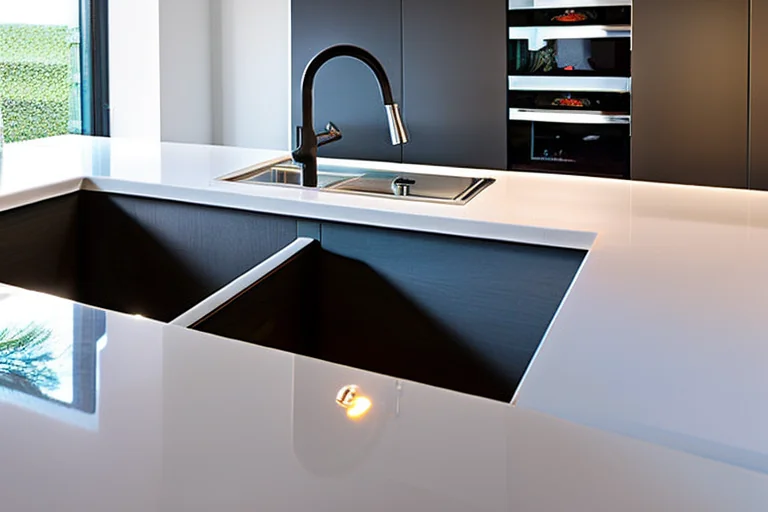
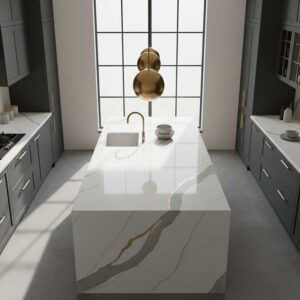
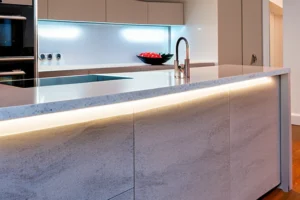
The visual impact of your worktop thickness is immediately apparent and can dramatically alter the character of your kitchen. A 30mm quartz worktop makes a bold statement with its substantial, luxurious appearance that suggests quality and permanence. The extra thickness allows for more dramatic edge profiles, particularly popular contemporary styles like the waterfall edge or thick mitred edges that create a seamless look when the worktop continues down the sides of islands or peninsulas. This thickness works particularly well in larger kitchens where it can balance the scale of the room and create a sense of solidity and luxury.
Meanwhile, 20mm quartz worktops offer a more streamlined, contemporary look that many designers prefer for modern and minimalist kitchens. The slimmer profile creates a lighter visual weight that can make smaller kitchens appear more spacious and airy. While you might have slightly fewer edge profile options compared to 30mm slabs, 20mm worktops still accommodate most popular styles including pencil round, eased, and even some mitred edges. The choice between these two aesthetics often comes down to personal preference and the overall design direction of your kitchen—whether you’re aiming for a substantial, traditional feel or a sleek, modern appearance.
Structural Considerations and Installation Requirements
The thickness of your quartz worktop significantly impacts the structural requirements of your kitchen cabinetry. Thirty millimetre quartz, being substantially heavier (approximately 50% heavier per square metre than 20mm), requires more robust support, particularly for longer spans or overhangs used for breakfast bars or seating areas. Your kitchen installer will likely need to add additional reinforcement to cabinets, especially for island units, and may recommend specific bracket systems or support legs for any overhangs exceeding 300mm.
Twenty millimetre quartz, while still requiring proper support, is more forgiving in terms of cabinet requirements. Standard kitchen cabinets typically provide adequate support for 20mm slabs without additional reinforcement, making them suitable for most kitchen layouts. This can be particularly advantageous in kitchen renovations where you might be keeping existing cabinets or working with tighter budget constraints. However, it’s always essential to have a professional assess your specific situation, as factors like cabinet quality, span distances, and planned usage all play a role in determining the necessary support structure.
Durability and Performance Comparison
Both 20mm and 30mm quartz worktops offer excellent durability, stain resistance, and non-porous properties that make them hygienic choices for kitchen surfaces. The fundamental material properties are identical regardless of thickness—quartz remains one of the hardest and most durable surface materials available for kitchens. However, the additional mass of 30mm quartz does provide marginally better resistance to impact damage and less potential for vibration or movement, which can be beneficial in busy family kitchens where heavy pots and appliances are regularly used.
For most typical kitchen activities—food preparation, occasional hot pan placement (always use trivets), and daily cleaning—both thicknesses will perform admirably. The choice between them rarely comes down to pure performance differences but rather to the aesthetic and structural considerations we’ve discussed. That said, if you’re planning particularly heavy usage, such as frequent baking with heavy ceramic mixing bowls or regular use of heavy kitchen equipment, the additional mass of 30mm quartz might provide that extra peace of mind.
Cost Implications and Budget Considerations
The price difference between 20mm and 30mm quartz worktops is significant and should be carefully considered in your budgeting process. Thirty millimetre quartz typically costs 30-50% more than its 20mm counterpart due to the additional material required and the more complex manufacturing process. This price difference extends beyond just the material cost—installation may also be more expensive due to the additional weight handling requirements and potential need for cabinet reinforcement.
When budgeting for your kitchen project, remember to account for these additional costs if you’re leaning toward 30mm quartz. For many homeowners, the premium appearance and feel of thicker worktops justify the additional investment, particularly in kitchens that serve as the heart of the home and where you plan to stay for many years. However, if budget constraints are a primary concern, 20mm quartz offers outstanding performance and aesthetics at a more accessible price point, allowing you to allocate funds to other aspects of your kitchen renovation.
Making the Right Choice for Your Kitchen
Choosing between 20mm and 30mm quartz ultimately depends on your specific circumstances, preferences, and kitchen design. Consider the style of your kitchen—contemporary designs often benefit from the sleek profile of 20mm quartz, while traditional or luxury kitchens may demand the substantial presence of 30mm slabs. Evaluate your cabinet structure and whether it can support the additional weight of thicker worktops without significant modification. Depending on your final selection, consider exploring patterns such as the elegant Morning Glow Quartz Stone.Most importantly, think about how you use your kitchen and what feeling you want to create in the space.
If you’re still uncertain, visiting a showroom to see both thicknesses in person can be incredibly helpful. Seeing how the different profiles look in various lighting conditions and alongside different cabinet styles often makes the decision much clearer. Remember that while thickness is an important consideration, other factors like colour, pattern, and edge profile will also significantly impact the final appearance of your kitchen.
Ready to transform your kitchen with the perfect quartz worktop? Our design experts are here to help you navigate these choices and create a kitchen that perfectly balances beauty, functionality, and value. Contact Our Kitchen Design Experts today to discuss your project and explore samples of both 20mm and 30mm quartz options in person.
 English (UK)
  العربية
  Español de México
  Português
  한국어
한국어  Français
  日本語
日本語  Bahasa Indonesia
  Italiano
  Türkçe
  Deutsch
  Русский
  简体中文
简体中文