
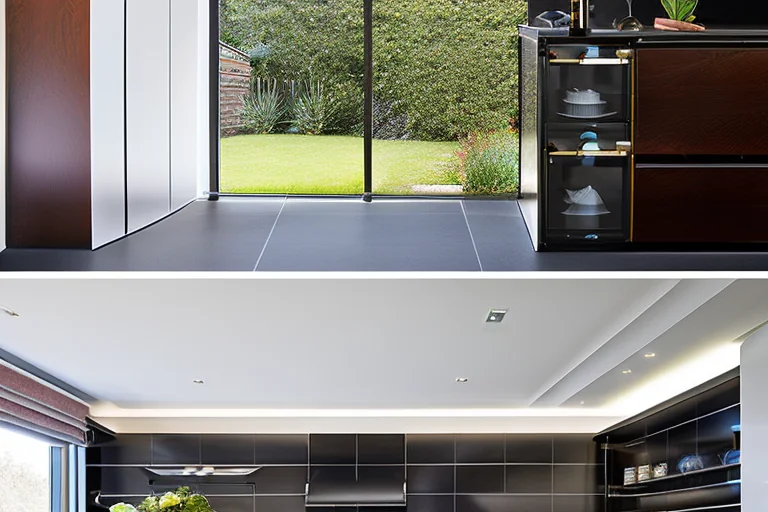
When you’re designing your dream kitchen, the worktop surface becomes the centrepiece of both style and functionality. Imagine red wine splashes, coffee spills, and cooking oil splatters – these are the daily realities of a busy kitchen. While natural stone like granite and marble has long been favoured for its beauty, quartz worktops have emerged as the superior choice for stain resistance, offering homeowners peace of mind without compromising on aesthetic appeal. The secret lies in quartz’s engineered composition, which creates a virtually impervious surface that laughs in the face of common kitchen stains.
The Science Behind Quartz’s Stain Resistance
Quartz worktops are engineered stone surfaces composed of approximately 90-95% natural quartz crystals combined with polymer resins and pigments. This manufacturing process creates a non-porous surface that fundamentally differs from natural stone. Unlike granite or marble, which contain microscopic pores and fissures, quartz’s dense structure leaves no room for liquids to penetrate. When you spill red wine on a quartz surface, it simply sits on top until you wipe it away, whereas natural stone can absorb liquids within seconds, leading to permanent staining.
The resin binding agents used in quartz production fill any potential gaps between quartz particles, creating a seamless barrier against moisture and stains. This engineered perfection means that quartz worktops don’t require the regular sealing that natural stone demands. While granite worktops typically need resealing every 1-2 years to maintain their stain resistance, quartz maintains its protective qualities throughout its lifetime with minimal maintenance. This scientific advantage translates to practical benefits in everyday kitchen use, particularly for families with young children or enthusiastic home cooks.
Comparing Quartz with Natural Stone Alternatives
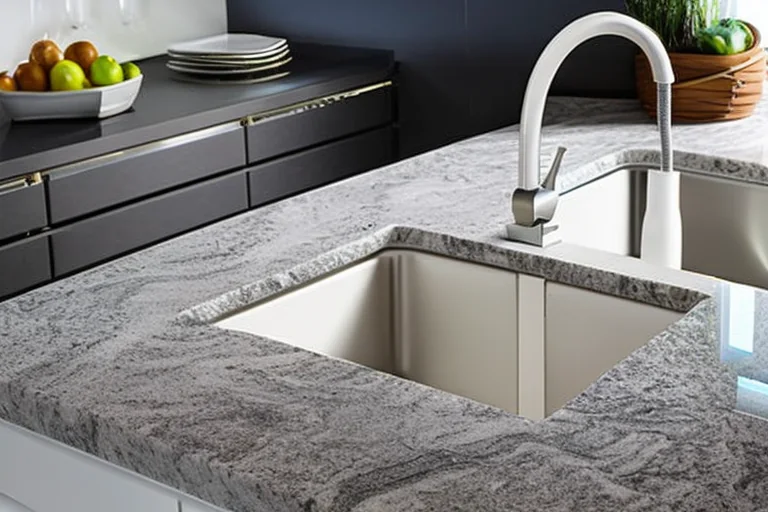
When evaluating worktop materials, it’s essential to understand how different natural stones perform against common kitchen contaminants. Granite, while popular for its unique veining patterns, is inherently porous. Even when properly sealed, acidic substances like lemon juice or vinegar can break down the sealant over time, allowing stains to set in. Marble, though undeniably beautiful, is particularly vulnerable to etching and staining from acidic foods and liquids. The calcium carbonate in marble reacts with acids, creating dull spots that require professional polishing to remove.
Granite’s Limitations in Stain Protection
Granite’s natural variation means that some slabs may be more porous than others, leading to inconsistent stain resistance across different installations. Homeowners often discover that their granite worktop has absorbed oils or coloured liquids despite regular sealing, particularly around areas of heavy use like near the cooker or sink. The sealing process itself can be inconvenient, requiring the kitchen to be out of action for 24-48 hours while the sealant cures properly.
Marble’s Vulnerability to Kitchen Stains
Marble worktops demand constant vigilance in the kitchen. A spilled glass of orange juice left unattended for just a few minutes can leave a permanent etch mark. The softness of marble also makes it susceptible to scratching from normal kitchen activities. While some homeowners appreciate the “patina” that develops on marble over time, most prefer the consistent, stain-resistant performance that quartz offers for their investment.
Practical Benefits for Busy Kitchens
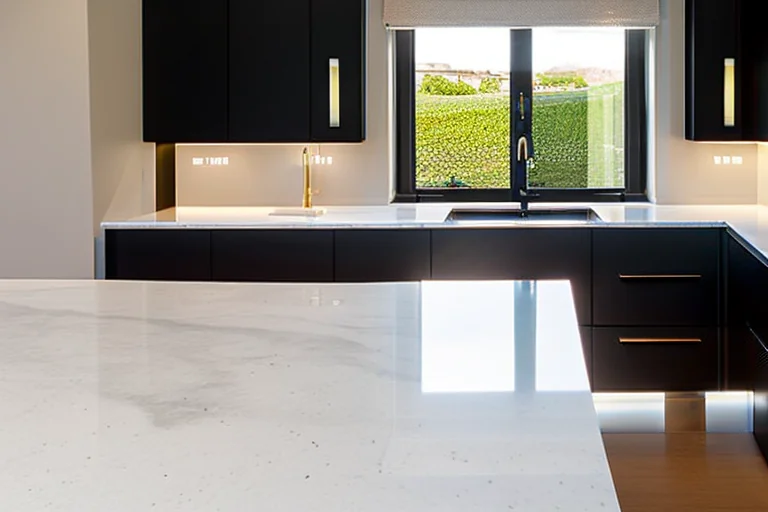
The stain resistance of quartz worktops translates into significant practical advantages for modern households. Busy families can enjoy worry-free meal preparation without constantly worrying about damaging their work surfaces. Children’s art projects, weekend baking sessions, and spontaneous dinner parties become more enjoyable when you’re not anxious about potential stains. The easy-clean nature of quartz means that most spills can be wiped away with a damp cloth and mild detergent, maintaining the surface’s pristine appearance for years.
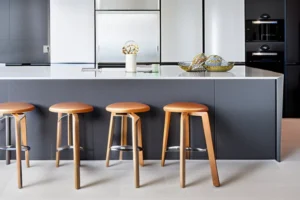
For those who love cooking with colourful ingredients like turmeric, beetroot, or red wine, quartz provides unparalleled protection. These substances that would typically stain natural stone surfaces simply wipe clean from quartz without leaving a trace. This durability makes quartz particularly suitable for kitchen islands and breakfast bars where food preparation and dining often overlap. The non-porous surface also inhibits bacterial growth, contributing to a more hygienic kitchen environment – an important consideration for families with young children or individuals with compromised immune systems.
Installation Considerations and Long-Term Performance
When installing quartz worktops, proper fabrication and fitting are crucial to maintaining their stain-resistant properties. Professional installers ensure that joins between slabs are meticulously sealed using colour-matched epoxy resins, creating invisible seams that maintain the surface’s integrity. Unlike some natural stones that may require special cleaning products, quartz worktops can be maintained with everyday household cleaners, though abrasive pads should be avoided to prevent surface scratching.
The long-term performance of quartz worktops demonstrates why they’ve become the preferred choice for both residential and commercial kitchens. While natural stone may develop staining issues over time, particularly if sealing maintenance is neglected, quartz maintains its consistent appearance decade after decade. This reliability makes quartz an excellent investment for homeowners who plan to stay in their property long-term or those looking to increase their home’s resale value with low-maintenance, high-performance kitchen surfaces.
Design Flexibility Meets Practical Performance
Beyond their superior stain resistance, quartz worktops offer design flexibility that natural stone cannot match. The manufacturing process allows for consistent colouration and pattern replication, meaning homeowners can achieve their desired aesthetic without compromising on performance. Whether you prefer the look of marble without the maintenance concerns or want a bold, solid colour that would be impossible to find in natural stone, quartz provides endless possibilities.
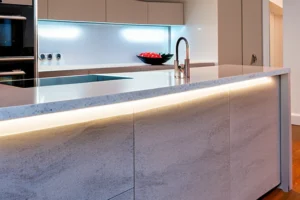
Contemporary quartz manufacturers have developed surfaces that convincingly mimic the veining and depth of natural marble while offering far greater durability. This means you no longer have to choose between aesthetics and practicality when selecting your kitchen worktops. The wide range of available colours and patterns ensures that quartz can complement any kitchen style, from traditional country kitchens to ultra-modern minimalist designs.
Ready to experience the stain-resistant benefits of quartz worktops in your own kitchen? Our team of design experts can help you select the perfect quartz surface that combines beauty with unparalleled practicality. Contact Our Kitchen Design Experts today to schedule a consultation and discover how quartz worktops can transform your kitchen into a space that’s both stunningly beautiful and remarkably functional.
 English (UK)
  العربية
  Español de México
  Português
  한국어
한국어  Français
  日本語
日本語  Bahasa Indonesia
  Italiano
  Türkçe
  Deutsch
  Русский
  简体中文
简体中文